

CHANGING HOW HOSPITALITY DOES SOCIAL

It’s definitely different up here in the mountains. The air is clear. The snow is deep and the stars are bright. Who wouldn’t want to plan a retreat to a higher elevation? However, when it comes to marketing mountain resort travel, there are challenges that can be as steep as the terrain.

Marketing for a mountain resort can be much different than for any other vacation destination. The obstacles can be broken into two unique situations: Off-Season and In-Season.  In the off-season, it can be extremely difficult to attract patrons, especially if skiing is the resort’s primary attraction. Local shopping and restaurant venues may shut down for the season, which complicates the attractiveness of a resort that stays open. Travelers ask, “What are we going to do?”.  In-Season, when winter is in full swing, you’d think booking rooms would be a no-brainer. But the amount of snowfall, the frequency of it, road conditions, temperatures, and off-mountain factors like public health and air travel complicate bookings. In both situations, you’re going to need to deploy an entirely different approach to marketing, and a big part of winning involves how you deploy social.

Social Media Strategy for Mountain Resorts

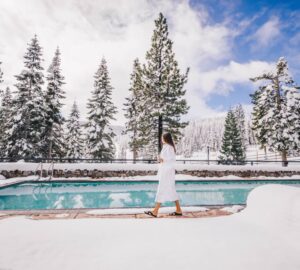
One of the big reasons that social media is different for mountain resorts as opposed to say, beach resorts, is in the kind of content used to attract customers. Beach resorts repurpose evergreen content that relies on bikinis, sunbathing, and holding hands at sunset. Sure, we have hot tubs and sunsets, but mountain resorts are obliged to use a lot less evergreen content in favor of more in-the-moment content. For example, when that weather radar shows storm clouds approaching, conditions are developing for fresh powder. This information needs to be disseminated on social media immediately to get potential customers to react promptly and make plans for a stay. And because this really is a news flash, it needs to be an all-points social media blitz to get the word out. Luxury mountain resorts need to, well, shout it from the mountain top, but always with consideration for the appropriate high-end target audience.
Best Practices for Mountain Resorts

There is literally no better medium than social media for communicating fast-breaking developments to a large number of people. Here are some great content strategies that are proven winners.

  • Broaden the topics. Sharing updates on snow levels (both high and low levels)  are a huge opportunity to connect to your target. Resorts have felt this more acutely in recent years. But it’s not just ads that are ready to capitalize on large snowfalls. Skiers are information addicts and welcome reports on the terrain that is open, and snow-making technology advancements.

  • Expand the target. Although skiing can skew older, content should not just focus on older, more affluent individuals. It should also take into account families and non-skiers who are tired of being cooped up at home. These people are willing to spend major cash on a luxury booking.

Local shopping and restaurant venues may shut down for the season, which complicates the attractiveness of a resort that stays open. Travelers ask, “What are we going to do?”.  In-Season, when winter is in full swing, you’d think booking rooms would be a no-brainer. But the amount of snowfall, the frequency of it, road conditions, temperatures, and off-mountain factors like public health and air travel complicate bookings. In both situations, you’re going to need to deploy an entirely different approach to marketing, and a big part of winning involves how you deploy social.

Social Media Strategy for Mountain Resorts

One of the big reasons that social media is different for mountain resorts as opposed to say, beach resorts, is in the kind of content used to attract customers. Beach resorts repurpose evergreen content that relies on bikinis, sunbathing, and holding hands at sunset. Sure, we have hot tubs and sunsets, but mountain resorts are obliged to use a lot less evergreen content in favor of more in-the-moment content. For example, when that weather radar shows storm clouds approaching, conditions are developing for fresh powder. This information needs to be disseminated on social media immediately to get potential customers to react promptly and make plans for a stay. And because this really is a news flash, it needs to be an all-points social media blitz to get the word out. Luxury mountain resorts need to, well, shout it from the mountain top, but always with consideration for the appropriate high-end target audience.

Best Practices for Mountain Resorts

There is literally no better medium than social media for communicating fast-breaking developments to a large number of people. Here are some great content strategies that are proven winners.

  • Broaden the topics. Sharing updates on snow levels (both high and low levels)  are a huge opportunity to connect to your target. Resorts have felt this more acutely in recent years. But it’s not just ads that are ready to capitalize on large snowfalls. Skiers are information addicts and welcome reports on the terrain that is open, and snow-making technology advancements.

  • Expand the target. Although skiing can skew older, content should not just focus on older, more affluent individuals. It should also take into account families and non-skiers who are tired of being cooped up at home. These people are willing to spend major cash on a luxury booking.

  • Re-think the concept of snow as if it was a retail product. It’s urgent. It’s only available now. It’s snowing! Retailers already take advantage of text message marketing (SMS marketing) to drive sales. A recent study of 1,100 national retail campaigns found that SMS has 8x the response rate of email. Encouraging past and prospective customers to sign up for text alerts will keep them engaged. Include updates, on snow conditions, events on the ski grounds, promo codes, and special offers.

  • Get in with travel bloggers. It’s a good idea to share insider information about a resort with travel bloggers. They can become walking, talking, blogging evangelists for the resort. Some bloggers have wide audiences and others with smaller followings are known locally and trusted. Both have a place in your outreach.

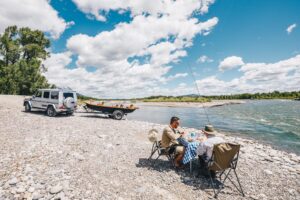
  • Make more out of all-mountain magic–all year. Promoting all the other activities available at and around a venue is critical. Remember, many skiers also enjoy fishing, camping, hiking, shopping, and sightseeing. Telling them about all of these activities answers the question, “What will I do?”. Also, good to know is that this is largely evergreen content that is not as weather-centric, and can be efficiently used. Make off-season irresistible. Even mud-season could be shown as fun for off-road enthusiasts!
  • Be in the moment. Last-minute stays and staycation offers can be blitzed out when the weather looks ideal. This is true for in-season snow as well as off-season sunshine and is a tactic to deploy across the board. It builds on the importance of having content geared to be in the moment.

  • Set up special seasonal events–especially during the off-season. Events and especially promoting them are an excellent way to attract more visitors at a time when occupancy is typically low. It’s also a great way to increase awareness and showcase all the amazing things there are to do at the resort even off-peak.  Many more people will become aware of the advantages offered by the resort and by the area in general, and it could have a strong positive effect on future occupancy.

  • Don’t overlook Facebook. There are all kinds of special interest groups on Facebook, with some having to do with mountain resorts and mountain activities all year round. A good marketer should take advantage of this opportunity by monitoring and/or maintaining a presence in these groups. This is one more way that in-the-moment conditions can be disseminated, and it can also be a way to generate interest in a particular venue. When group users begin sharing photos and videos of the great time they had at a mountain resort, it can kick the advertising machine into high gear.

I hope you’ll find these ideas and insights useful. Reach out to share your experiences with social and mountains. And until then, please check out these case studies on successful programs for luxury mountain resort marketing:


GENERATING ROI THROUGH SOCIAL MEDIA MARKETING

PAID ADVERTISING FOR HOTEL SOCIAL MEDIA

With ongoing vaccination rollouts and warmer temperatures quickly approaching, many consumers are becoming energized to travel once again. Evolving online sentiment and planning behaviors are showcasing strong evidence that these consumers are seeking an escape from pandemic exhaustion and are looking to travel as a source of rejuvenation, and even a little self-indulgence. Given this enthusiasm, hotels have a unique opportunity to tap into evolving consumer behaviors to authentically and effectively reach desired target audiences and create lasting ROI.

Since January of this year, BCV has been tracking a steady increase in search terms surrounding travel, and early hotel data is showcasing that booking volume for the spring break timeframe is the highest it has been in two years. While these findings are extremely encouraging, understanding how to communicate and market to desired audiences is key for hotels. Tapping into evolving audience behaviors and social media usage can strategically place travel brands at the forefront of consumer consideration journeys, generating last-minute bookings right now and impacting purchases in the ongoing future.

Let’s take a look at some top emerging consumer behaviors and travel trends that BCV is tracking, alongside insights on how hotels can translate this data into actionable social media strategies for Q2 and beyond.

The Spring Break 2021 Mood is Upbeat

While consumer search habits are indicating an increased desire to travel, it’s important for travel brands to remember that health and safety priorities will remain important. Rolling vaccination distributions, travel restrictions, and cancellation of some school spring breaks will continue to impact traditional travel patterns and booking decisions during Q2.

To alleviate consumer concerns and encourage booking confidence, hotels can adapt marketing efforts to align with these new patterns, and create messaging to target specific demographic behaviors:

  • Families. Typically a large percentage of spring break travelers, families are eager to get out of their houses – but their travel preferences will look a bit different this year. Online data has shown that families with younger children and combined quarantine pod groups of two families or more are largely looking for shoulder dates and off-season timing, to ensure less onsite crowds and provide increased safety.

  • Millennials. Another key spring break demographic, the Millennial age group is expected to be the most eager and confident to travel during Q2. A recent survey from Expedia highlighted that this group is the most prone to impulse purchases, a habit well supported by their love of social media and availability of disposable income. Past Q2, the Millennial audience will remain an important one for business travel, as they make up a large percentage of the current workforce.

  • Boomers. Positive travel sentiment within the Boomer demographic has recently emerged as a result of the pandemic, as this generation is among the first to become vaccinated and have expressed interest to travel ahead of the larger crowds. This group is also using social media to search for international travel guidelines, indicating their desire to travel more than once this year.

Additionally, increased conversation volume surrounding staycations and remote destinations throughout Q1 showcases an immediate preference for domestic travel over international. At the time of publication, September has proven the most-searched month for prospective travel across audience demographics, but the increased confidence in spring bookings and ongoing vaccination availability may shift this timing back into the summer.

Engaging Travelers Beyond Impulse Bookings

During the 2020 travel hold, social media advertising and other means of digital marketing have become even more powerful allies for hotels. Consumers are immersing themselves in social media escapism, turning to inspirational lifestyle imagery and engaging video content as a means of “getting away” while planning and saving up for their future trips. This audience is perfect for intersecting and inserting specific hotel messaging to build consideration.

Social listening and keyword tracking across social platforms is key for gathering trending travel destinations and interests – and knowing how to talk to social audiences. For example, Pinterest has identified that travelers are currently dreaming of “hypothetical sabbaticals” and “nomading as the new jet-setting”. Understanding these social trends and authentically incorporating within owned social media marketing could earn travel brands increased discoverability and reach. Knowing what consumers are feeling comfortable with can help to inform a content campaign, or place specific advertising in front of these expectant travelers. While the desire to travel will largely be influenced by the vaccination rollout and changes in travel restrictions, hotels can build consideration now and continue to be a source of inspiration for those actively planning.

Preference for Outdoors and Exclusivity Holds Strong

As consumers continue to indicate a preference for domestic travel, local staycations and travel by car will prevail throughout the traditional spring break timeframe. There is also a marked preference for immersive onsite experiences that provide socially distanced safety, such as outdoor and exclusive offerings.

Outdoor and nature-centric activities have continued to gain popularity throughout the pandemic as they offer travelers an experiential escape alongside safe social distancing practices. Pinterest has reported a 165% YoY increase in the search term “couples stargazing”, a 100% increase for “forest resort”, and a 35% increase for “mountain travel”. But these insights do not limit themselves to destination properties; urban hotels should look to incorporate these trends by offering amenities and activities that are unique to them, such as localized picnic setups or private city bike tours.

The desire for high-luxury experiences that offer exclusivity and socially-distanced safety is another emerging travel trend, and not just among the wealthy travel set. Amenities such as private drivers, customized excursions, and exclusive dining experiences are coveted by those seeking indulgent travel. Safety is being viewed as the new luxury; bookings for destinations that are able to mandate proof of negative Covid-19 testing and those that offer “safe environment-certified” bubbles are increasing, as witnessed by continued travel to several of the Caribbean Islands who have set these practices into place as a way of attracting consumers.

Using Content Marketing To Attract Business

With the rapid growth of social audiences and platform offerings, hotels should evaluate their social marketing mix to understand how to cut through the volume of online content and drive consideration among new and existing audiences. Understanding how to reach travelers through dynamic social content is important: as algorithms continue to prioritize videos and new social platforms and features consistently emerge, hotels should employ a strategic approach to retain and grow their audience reach.

Rest assured, staying afloat in the continually evolving social landscape doesn’t necessarily mean reinventing a hotel’s entire social approach. Understanding who your target audience is and how to reach them is the key, and maintaining authenticity is equally as vital. Repurposing existing assets in a new way is one area that hotels can look to increase discoverability; for example, a traditional marketing piece such as an e-blast could be used to craft a series of Instagram Guides, or previously captured video can be clipped to create engaging Reels content.

Content messaging is also important for building consumer trust. A carefully thought-out content strategy should incorporate a mix of informational and inspirational content to play into the escapism sensibility while conveying the experience that guests can expect onsite. Safety messaging needs to be clear but not overt; hotels can weave messaging about their onsite mask mandates within a social post about their spa to showcase safety without compromising the overarching social aesthetic. Try capturing newer amenities via creative short-form videos, or walk consumers through in real-time via a livestream broadcast. Anything that you can immerse your social audiences in and provide a deeper connection and longing for travel can translate well via video, such as onsite open-air activities, nearby guided nature excursions, or an influencer-led tour of guest room space converted into a private workout area.

Key Messaging Takeaways for Hotels

Although the travel industry has been shaken by the impact of 2020, the love for travel remains strong among consumers – and hotels can utilize social media to provide confidence as the world begins to seek travel once again. BCV’s experience tracking online behaviors and sentiment has proven that social marketing can be a vital tool for amplifying messaging to these target consumers.

The following are suggestions that will help travel brands to navigate the rising demand and drive ROI via social media during Q2 and beyond:

  1. Leverage consumer insights to streamline marketing campaigns and make the brand more visible and reliable to travelers

  2. Continue providing direct, easy-to-find education regarding on-property safety measures, including mask mandates, reduced capacity, regular cleaning/disinfecting , and contactless/no-touch services to boost consumer confidence

  3. Provide consumers more flexibility, such as relaxed cancellation and rebooking options throughout 2021

  4. Weave messaging that speaks to last-minute decisions and shorter booking windows into upcoming content

  5. Consider expanding “local staycation” messaging to target the entire drive market, placing promotions and special offers as incentive for travel

  6. Engage influencers to produce content and test new and emerging social platforms for audience sentiment

  7. Tap social influencers to craft messaging that resonates to specific channel audiences

  8. Tap into the rising popularity of certain social content types, such as short-form videos and audio, to make platform algorithms work in your favor

  9. Utilize omnimedia efforts to capitalize on increased digital usage by travelers, including a strategic paid media plan

After many uncertain months of travel restrictions, lockdowns, and consumer trepidation, trending consumer behaviors are showcasing that people are craving travel in the very near future. As we begin to see increased vaccinations and more relaxed travel restrictions, travel brands have the opportunity to insert themselves into consumer consideration paths by building authentic connections and creating brand trust among key audiences.

Above all, hotels must remain true to their brand voice and understand what consumers are seeking; authenticity, honesty, transparency, and supportive messaging are vital across all marketing efforts in order to experience engagement and future ROI.

Let’s talk about utilizing paid social media. In a word? Necessary. 

In 2019, social media is primarily a pay-to-play space, especially after Facebook introduced an algorithm that weaves a variety of advertising initiatives into a users’ feed.

So why is it essential to have dollars behind your social media objectives?

When it comes to supporting your content in the social world, the amount your organic content is seen in someone’s feed is extremely low—less than 2%! That means, now more than ever, utilizing paid social media advertising is vital if you want your users to obtain your content, campaigns, or offers—or all of the above.

The goals of adding paid spend behind your content are simple:

  • Ensure your content being produced is actually reaching the relevant target markets by maximizing visibility

  • Create more exposure for your brand or business

  • And in turn, ensure you’re staying competitive within the market

Whether you’re looking to enhance your engagement metrics to a niche market, cast a wider net of users, boost leads, or increase website traffic, the case for utilizing social media advertising has never been more significant.

Now that you know the basics as to why you should implement a paid social media strategy, it’s important to note that each platform should have its own strategy. Defining a brand or business’s budget for social media is important and finding the “right” amount varies. It’s often dependent on these four variables:

  1. The platform

  2. The objective

  3. The campaign

  4. The target audience

Luckily for brands and businesses, the opportunities to gather insights from a platform’s analytics will allow you to conduct a deep dive into how your content was received and how your audience engaged, and will give you access to hone in on how and why a user interacted with your content. The data and analytics that are available to help your brand or business success are plenty and readily available.

To put it simply, if you’re a brand or business looking to drive improved results and garner optimal reach and engagement with your social media campaigns, then paid social media should be top of mind.