CHANGING HOW HOSPITALITY DOES SOCIAL

Pent-up demand is driving a wedding surge. 2022 is predicted to have the largest number of weddings since 1984; in parallel, BCV is tracking a 53% uptick in conversation searches for weddings YoY. That demand will continue upward. With over 2.5 million weddings expected to take place next year and even more couples already planning into 2023, travel marketers can intersect this fruitful market through strategic social positioning across multiple popular platforms.

Key Opportunities

  • Targeting. Locating and hitting couples who are “recently engaged”.

  • Timing. Engagement Season peaks during holiday seasons like Thanksgiving, Valentine’s Day, and Summer Months.

  • Trending. The Pandemic trend of once-in-a-lifetime travel with weddings in ultra-luxurious destinations appealing to couples, their friends, and family.

The wedding industry is growing, but also shifting. While weddings have always been meaningful, the pandemic put a lot into perspective for people. There was a shift in traveling over the last few years of the pandemic where staycations and drive markets were much more popular and easily accessible than trips longer in length or abroad.

“People have been saving up and dreaming of their next big trip, and they’re now ready more than ever to take it.”

Not only are couples eager to celebrate their love, but their friends and family are also eager to gather to celebrate with them. Some couples are going big and extravagant to make up for lost time, while others are focusing on an intimate wedding that they typically never thought they wanted.

────────────────────────────────────────────────────────

Learn how The Ritz-Carlton, Cleveland leveraged social media to position themselves as a top wedding venue among couples ➜

────────────────────────────────────────────────────────

This trend, on top of couples planning postponed weddings and eagerly wanting to celebrate love, has put luxury resorts and hotels in a leading position when it comes to wedding venues.

Safety will continue to drive venue decisions. Wedding destinations that have the ability for outdoor ceremonies and receptions, as well as various outdoor activities for wedding guests to partake in during their stay, have become increasingly popular during the pandemic. If it is a resort with a lot of land, activities, and outdoor space, this is a great selling point.

Four Seasons Washington, DC created a video highlighting their exemplary service

Using Social Media to get to ‘I Do!’

Key tactics to explore

  • Lead-Gen Ads

  • Beyond In-Feed

  • Amplified UGC

Lead Generation Ads are a great way to promote a property’s wedding offerings. We are able to get very specific with targeting and target those who are recently engaged, friends or family members of recently engaged couples, those who work within the wedding planning industry, etc.

Utilizing all of the various features social media has to offer increases your reach. It’s not enough nowadays to simply post in-feed and leave it at that. Taking advantage of other features such as IG Stories, IG Reels, etc, puts your content in front of a different audience. Also paid media extends your reach past your current audience, giving you the opportunity to garner new fans and new interest.

Carneros Resort & Spa combined UGC and video to create a truly engaging campaign

One unique social media tactic we used recently for a client was a wedding experience giveaway. To capitalize on couples who had to postpone their weddings, we ran the ultimate giveaway on social media. The method of entry was for users to comment, tagging their significant other, and explaining what the property meant to them. They included details on their postponed wedding and more about their relationship. This contest provided users with an outlet to express everything they’ve been feeling over the last few years. Providing such a detailed method of entry gave them more connection to the property, showing the property truly cared about their wedding. Promoting this contest on various platforms and social tools (paid media, IG Stories, collaborations, etc.), put the content in front of a wide variety of users.
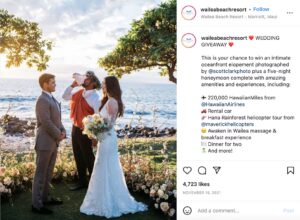
The Wailea Beach Giveaway was a powerful tactic that shows how collaborating with other vendors expands reach

User-generated content is a great way to promote weddings on social media. UGC typically performs about 9x better than brand-owned photography and provides our followers with relatable content. Users are able to see what a real wedding will look like as opposed to staged imagery. With the continued popularity of influencers, users on social media trust real opinions and experiences shared on social media. They see UGC as more influential and will likely influence their wedding venue decision.
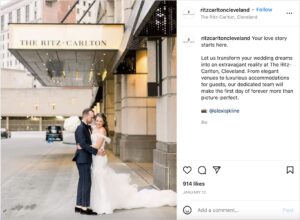
The Ritz-Carlton, Cleveland leveraged UGC to demonstrate the level of service

Tips from the BCV Strategy Team

  1. Prioritize Pinterest and Instagram

  2. Utilize these visual platforms to create lasting lookbooks (PinBoards, IG Guides) and intersect planners through targeted ads

  3. Drive discovery through immersive content

  4. Engage planners through video content showcasing virtual, 360-degree tours of venue space

  5. Create event-specific playlists across platforms, and continually optimize with seasonally relevant keywords

  6. Capture attention with informative content

64th Annual HSMAI Adrian Awards Announced

In a year of masks, swabs, and wipes for travelers, there were also tremendous challenges for marketers in the hospitality category. This year, the HSMAI Adrian Awards focused on Recovery Campaigns that succeeded in spite of the pandemic. BCV is proud to have two Social Media Campaigns recognized among the best work from top hospitality brands and agencies recognized for creativity and innovation in advertising, digital marketing, and public relations. This is like the Golden Globes of digital marketing in hospitality, and BCV aren’t exactly strangers to collecting trophies–with 37 previous wins, this brings the total to 39.

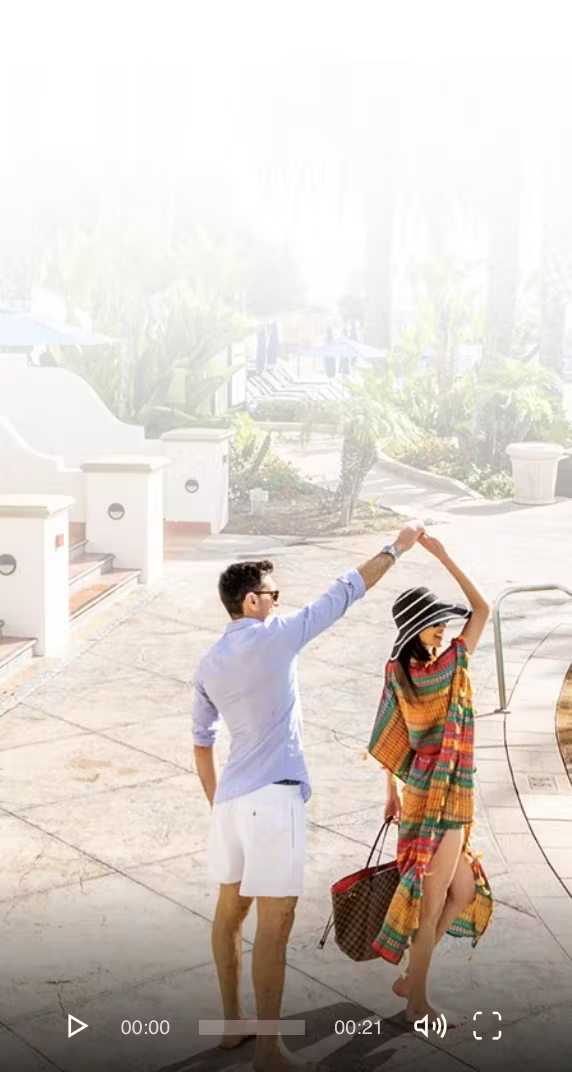
The Ritz-Carlton, Bacara, won the Silver in Social Media Campaigns. With the Bacara-By-Day campaign, we ran an A/B Test Website Click advertisement involving a video creative and an Instant Experience Ad. The Instant Experience Ad enticed users to select activities based on their interests including wine tasting, water activities, resort relaxation, and more. After making their selections, the advertisement recommends an itinerary that best aligns with the type of traveler the user is. Both the video and Instant Experience advertisements included a call-to-action for users to book their stay at The Ritz-Carlton Bacara, Santa Barbara.

Through the A/B Test, we found our video advertisement resonated best with The Ritz-Carlton Bacara, Santa Barbara audience, garnering over 2x more clicks and 5x more impressions than the Instant Experience Ad. The Cost per Click was also $0.30, outperforming the industry benchmark. Having gained this insight from the A/B Test, we were able to allocate more budget to the video advertisement, increasing reach and overall results nearly 2x more than our previous 2020 Collections Advertisement. These results show the effectiveness of the creative Video Advertisement and interactive Instant Experience Advertisement.

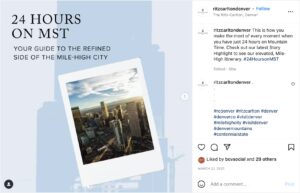
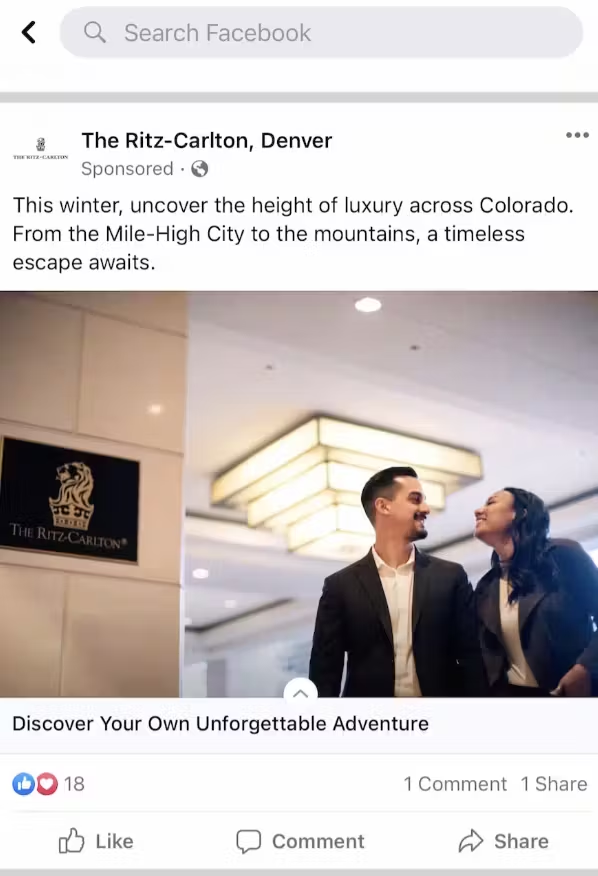
The Ritz-Carlton, Denver, battled for the Bronze in Social Media Campaigns. As spacious, outdoor destinations had the advantage of greater appeal to travelers during the pandemic, a perfect collaboration was formed between The Ritz-Carlton, Denver & The Ritz-Carlton, Bachelor Gulch. The campaign told the story of a pre-ski urban stay at The Ritz-Carlton, Denver, and then took travelers up the mountain to The Ritz-Carlton, Bachelor Gulch, where the perfect luxury ski vacation was highlighted. To achieve the hotel’s goals around awareness & consideration, 24 Hours on Mountain Time leveraged in-feed content & Instagram Stories. Instagram carousel posts were designed to highlight custom itineraries that would appeal to a variety of traveler types. 24 Hours on Mountain Time also partnered with influencers for an authentic, first-person’s perspective of a Denver vacation.

In total, 24 Hours on Mountain Time generated over 4,600 clicks to the hotel website with an average cost per click of $0.66, exceeding our original click goal by double. The campaign reached over 326K unique users, garnered 647K impressions, and contributed to a 57% surge in the brand’s Instagram followers.

CHECK IT OUT ON INSTAGRAM

About The HSMAI Adrian Awards 

The HSMAI Adrian Awards embraces every segment of the industry, including hotels, airlines, cruise lines, car rental companies, destinations, and more. Winners are selected from a field of nearly 1,200 entries by senior industry and media experts and honored at the Adrian Awards Celebration. The 2021 Competition Adrian Awards Celebration will be held March 30 at The Boca Raton.

The opportunity to boost hotel bookings through social media channels like Instagram have never been more attractive. Here are a few things to consider from our hotel social media experts.

Eye-catching visuals are a key to capturing leads

Creating eye-catching assets for hospitality social media accounts increases appeal and  awareness for your brand. Compelling imagery helps you stand out from your competition. Even better, it increases the chances that your posts and stories will be shared and in turn, bring in new followers to start the path to conversion and bookings!

Leverage the unique and interactive Instagram Story designs 

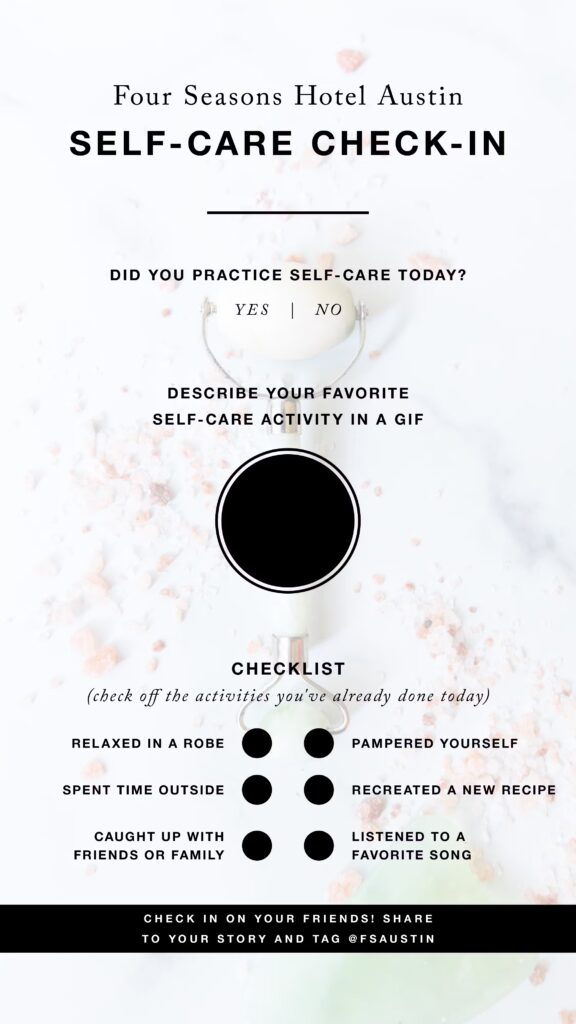
Interactive Instagram Stories are more than just tapping through each frame. Your followers will appreciate an engaging interactive story especially if it’s a contest that has a giveaway aspect tied to it. That’s how you really lure in your audience, grab their attention, and get them to participate.

How creating and testing multiple versions of creative helps you learn what works

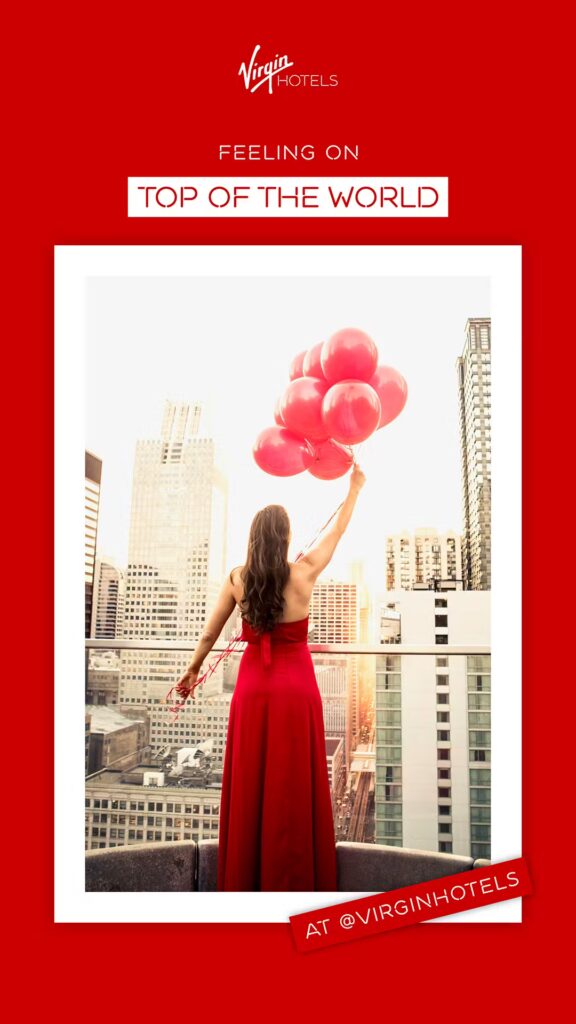
Branded and Non-Branded Versions of our work for Virgin Hotels

The best way to see what appeals to your fans is by running an A/B test on the same kind of asset. For example, you could have two Instagram Story Ads running at the same time. They both feature the same content (same image and text) but one is created using your brand guidelines and one is created using the features within Instagram Stories creation. You can then view the insights and see what one performed better and use that information to enhance future graphics. Our work for Virgin Hotels demonstrates this strategy, and resulted in stronger results by using in-feed features. In fact, this campaign drove 8x more website traffic and stronger ROI at half the cost per acquisition.

Let’s talk about the role paid advertising plays 

One powerful paid advertising strategy involves Instant Experience Ads. They highlight your products or services in a story-telling manner composed of a mix of photos and videos with many customizations and interactive elements.  You can include actions for watching videos, swiping through a carousel of images, tilting to view a full photo and linking out to any webpage all in the same unit. This is a great way to encourage users to take action and physically engage with your ad. Instant Experience Ads can be broken down into three different categories. We have Classic, Catalog, and Quiz.

  1. Classic Instant Experience Ad. These are fully customizable but are a straight to the point ad with more of a single path for users to engage with.

  2. Catalog Style Instant Experience. These resemble a shopping app interface with buttons that lead to separate sup pages for more information on a topic.

  3. Quiz Style Instant Experience Ad. These include a mix of photos and videos but have more of a choose your own adventure aspect by linking multiple Instant Experience Ads together.

You can prompt users with multiple paths to choose from that will eventually lead them to a landing page with their “answer” to all of the questions. Try them all and learn which drives quality leads.

Use Instagram to acquire new customers, amplify your business, inspire mobile shopping or drive brand awareness

There are so many opportunities on Instagram to showcase your brand, including Instagram Stories, Instant Experience Ads, Instagram Story AR Filters, In-Feed Ads and Reels to name a few. Each of these has a different purpose to promote your brand. If you’d like to discuss further, please reach out–we’re happy to guide you through the IG world and find which opportunities will work best for your brand.

One more thing! Want to keep on top of Instagram trends?

Bookmark these pages to stay on top of the trends:

In our recent article sharing insights about crafting the right social mix for your hotel, we covered the approach of basing your hotel’s platform strategy on the Big Three – Facebook, Instagram, and Twitter. It’s wise to utilize these three networks to form the backbone of a social media strategy in order to tap into their ability to target a large volume of users and drive reach across massive global audiences.

Yet, the opportunity to integrate supplemental platforms such as Pinterest, YouTube, and LinkedIn is often overlooked by travel marketers. These platforms offer the opportunity to drive deeper targeted messaging among niche audiences and the ability to tap into specific user behaviors. When combined with the ample reach opportunities of the Big Three, a carefully crafted multi-platform social mix can work hard to provide a return on investment by delivering omnichannel messaging throughout a consumer’s journey.

In this article we provide a more detailed look into these secondary platforms, including their key audiences, consumer usage, business capabilities, and available tools to leverage in order to expand your existing social strategy. As a topline visual guide to our strategic approach, BCV has created a Social Landscape Infographic designed specifically for travel marketers.

Pinterest: The Visual Inspiration Platform for Planning

Pinterest behaves differently than other social platforms; rather than being a channel for communication or quick-content sharing, Pinterest’s primary purpose is to aid and inspire Pinners to plan. Users come to the platform to curate Boards filled with ideas and imagery that they use to inform purchase consideration. Pinners typically seek content several months ahead of actual purchase or usage – creating ample opportunities for brands to spot trends as they are forming.

Pinterest’s niche audience sets and visual planning nature create a perfect fit for travel content. Travel is an especially popular category on Pinterest, as users search for destination inspiration, shop for lodging and restaurants, and curate their own boards for upcoming trips. These “future-tripping” Pinners pay close attention to travel influencers who are also active on the platform; many content creators come to the site to brainstorm as well, sharing ideas and concepts within their feeds. Since travel content is typically sought out several months in advance, Pinterest’s trending keywords can help to inform travel marketers of trends that will take shape in coming seasons, which can be used to inform content planning across other platforms and increase discoverability. By using these keywords to shape content strategy, you not only improve your Pinterest presence but leap ahead on other platforms too.

Travel brands can position themselves as inspiration go-tos for Pinterest’s visual discovery engine, and take advantage of Pinterest’s unique linking capabilities. Because the majority of users scroll Pinterest for purchase inspiration, an insight to how the platform is used by consumers, brands have a huge advantage on this platform over others because of its direct correlation with social commerce and shoppable posts.

Unique Selling Points

As an inspiration platform, Pinterest is primed for conversion, with many Pinners making purchases within the app or clicking links to complete purchases via websites. This creates an opportunity to attract travel audiences that are primed and ready to make purchases; travel marketers can intersect target audiences during the inspiration and planning stages, driving them deeper into the consideration funnel.

Brand Tools

Pinterest continues to debut notable tools for brands to leverage, the most valuable being its paid social commerce capabilities. These features allow brands to engage users right where they are seeking inspiration. Some of the current options include:

  • Shopping Ads. Single image ads that appear natively as a sponsored pin.

  • Personalized Collection Ads. A series of multiple photos that presents a range of different images to the user as a native ad.

  • Linked Pins. Brands can directly connect shoppers to their product page when they link their pin to their product.

Best Practices

Pinterest is a powerful tool to build awareness and drive traffic. Brands ready to integrate the platform can follow these tips:

  • Repurpose content. Content created for other marketing efforts can be utilized to build a presence on the platform. Often, content that is up to brand standard for Instagram is also well suited for Pinterest.

  • Post high production value content. Brands on Pinterest must have on-brand profiles that showcase their unique brand personality. Pinners don’t expect content to look “in the moment” or spontaneous. Content should be polished and pretty.

  • Build brand recognition. Ensure that the brand’s profile image/bio, choice of board topics/titles, and Pin content is relevant to current marketing messaging.

  • Optimize with keywords. Utilize trending keywords across the social landscape to inform and optimize your Pin and Board titles and descriptions, to increase searchability and discoverability.

  • Be visually alluring. Every post must have visual appeal. If it doesn’t catch a Pinner’s eye, it will be easy to overlook. Images should not only be high-quality, they should also be interesting and creative.

  • Link to product page. Many Pinners are shopping, so always link all Pins to either the brand website or a specific package or room booking page to drive action.

YouTube: The World’s Video Search Engine

As the world’s second-largest search engine, YouTube is as much about discovery as it is about video consumption. Brands that place their video content within the platform have a greater chance of discoverability based on the immersive, never-ending loop of content that consumers digest daily. By appearing in relevant search results here, travel marketers can boost their chances of engaging new audiences and potentially earning direct bookings.

During the pandemic YouTube usage skyrocketed, with a wide range of audiences (from Boomers to Gen-Z) turning to the platform for multiple reasons, including immersive experiences, escapism, and education. Many users who were dreaming of future travel possibilities took to the platform to consume travel content, creating a giant area of opportunity for travel brands to highlight their property and generate awareness for future purchase consideration.

Unique Selling Points

As the second-largest search engine in the world, YouTube is a unique way to filter the world through keyword-specific videos. By making your brand discoverable through video, YouTube offers a way for travel brands to showcase their destinations and expertise to provide value in an entirely new way. YouTube is also incredibly bingeable, as the algorithm works to consistently feed new video suggestions on a nonstop roll of content, therefore keeping viewers engaged and on the platform for longer.

Brand Tools

YouTube is a powerful platform for brand discoverability and consideration, providing brands opportunities to promote both with paid advertising. These options include:

  • Pre-roll. These ads show just before a video.

  • Mid-roll. These ads appear during longer form videos.

  • In-video. These small ads pop up during videos with relevant ads.

Best Practices

YouTube may feel like a high-investment platform, but there are many avenues to ramp up brand presence that require little production. Here are a few best practices to help shape your strategy:

  • Repurpose existing content. Consider creative ways to use pre-existing video on YouTube, including marketing and website content.

  • Showcase the destination. Publish content about your destination, using your local expertise to highlight places and experiences near the hotel to provide audiences with a well-rounded experience and drive further action.

  • Use popular keywords. To increase searchability and discoverability, use trending keywords across the social space to inform and optimize your video titles, descriptions, and playlist names.

  • Promote your property. Immersive, full-view looks at on-property offerings through social video content can help to attract potential guests and create awareness and consideration of your property. Travelers that are seeking to understand the entire experience before they come onsite – including the setting of a guestroom, pool area, or event venue – often use video content to inform their final booking decisions.

  • Show off your team. Consider creating content that involves brief interviews with people working within your property or brand. This can offer a taste of “behind the scenes,” a popular content genre, and may create a deeper connection with a brand by seeing real faces and passion.

  • Engage creators. YouTube has a diverse global content creator community, offering opportunities for travel influencer marketing. Partnering with an established content creator can hold incredible strategic value for brands on this platform.

LinkedIn: Building Brand Presence and Authority

As it’s audience base continues to climb, LinkedIn has become a valuable resource that expands upon networking and job searching. Users now turn to the platform for industry updates, learning opportunities, and news. This provides opportunities for brands to intersect key audiences and achieve deeper marketing goals, including connecting with qualified candidates, sharing thought leadership pieces, and to engage with their professional community to establish and build credibility in the industry.

Travel brands can especially benefit from the unique audience on LinkedIn by joining conversations surrounding relevant topics, such as the future of business travel or in-person meetings. Additionally, this is a key platform to build awareness and brand trust among key business decision makers and event planners, driving lead generation opportunities.

Unique Selling Points

LinkedIn is unique in that it’s a social networking platform wrapped around the broader business world. With the recent rollout of new creator tools, it champions thought leadership and professional development through multimedia content, live streaming, and enhanced user profiles. LinkedIn focuses less on visual aesthetics and more on practical, informational, and inspirational content that furthers careers.

Brand Tools

LinkedIn has a robust paid advertising platform that puts your brand in front of targeted audiences. Given the B2B focus, Linkedin isn’t as affordable as other platforms; there’s a premium for accessing these higher-value audiences. Options include:

  • Sponsored content. Single image, video, carousel, and event ads with direct placement in the LinkedIn Feed.

  • Sponsored messaging. Conversation and message ads that connect with an audience in a personal way through the LinkedIn messaging inbox.

  • Text and dynamic ads. Text, Spotlight, and Follower ads to drive consumers to your website through text, images, and video.

Best Practices

When integrating LinkedIn to your social media marketing strategy, consider the following best practices:

  • Prioritize quality. For brands new to the platform, remember that it is important to take things slow and prioritize quality over quantity. Professional audiences can sense low-quality content and will quickly tune out. This extends to your profile: be certain that the bio language is up to brand standards.

  • Post natively. Posting natively is the best way to reach LinkedIn users. However, for brands new to the platform, resharing other posts is also a good way to get started.

  • Tap into what is trending. Utilize hashtags, keywords, and applicable trends to your brand. This boosts impressions as well as improves brand recognition.

  • Go long. Studies show that long-form content performs better, as many users visit the platform to better understand the insights of their industry. This gives brands the opportunity to become leaders in their sector, offering industry leadership and authority

  • Use images. LinkedIn posts with images gain 2x more engagement on average.

Crafting your supplemental mix

Diversifying your platform mix beyond Instagram, Facebook, and Twitter through the addition of supplemental platforms – specifically LinkedIn, YouTube, and Pinterest – creates a more impactful social media presence. This multi-channel presence creates additional points of engagement along a guest’s purchase journey, targets specific audiences that are more apt to take purchase actions, and increases traffic to the hotel’s home page – ultimately placing more attention on your brand.

As social media usage continues to steadily grow and platforms continue to develop specific audiences and behaviors, we recommend extending resources to develop a presence on these platforms according to individual goals. These platforms are nearly always additive and used in conjunction with existing efforts on the Big Three platforms. BCV’s social media experts can help you define your strategy and choose the right supplemental platforms for your brand goals.

Ready to explore a more targeted social strategy? Contact a specialist and let’s craft a strategic platform plan that can produce greater ROI across your social marketing mix.

Check out our guide to navigating the top social media platforms used by hospitality. We’re here to help you explore the best ways to put high-impact social programs to work.

Instagram was first known for its glossy feeds of picture-perfect sunsets, fashionable influencers, and sumptuous food shots. It then morphed into a more dynamic platform thanks to Stories, which are temporary tastes of a person’s daily life.

Now we’ve got Reels. The latest content type is Instagram’s version of the short clips that made TikTok a household name. The premise is simple: string together several short clips into bite-sized content, often elevated with some jump-cuts and other technical wizardry.

These snackable videos are not only quick to consume but are also a way of injecting some light-hearted fun into a brand’s social media video strategy. With that in mind, here are our expert answers to the most frequently asked questions about IG Reels.

What are Reels, and how are they used?

Reels are short videos made up of even shorter clips that tell a story when edited together. Available on Instagram, Reels encourages users to create, share and discover engaging short-form vertical videos.

Like TikTok, it allows you to edit your video clips with many different effects and a library of songs to make the videos as engaging and entertaining as possible. They also tend to be a bit more aligned with the tone of IG stories, which is to say a little more authentic and a little rougher around the edges than the polished IG feed.

Keep in mind that Reels can reach a broader audience than your current following. The biggest draw of Reels is the Explore page. If you land on this page, you’ll gain exposure to a whole new audience. Users who don’t even follow you will be able to see and engage with your Reels. It’s all purely based on engagement and provides a significant opportunity to grow your following and community.

Does my hotel need to use Reels?

It depends. When evaluating a new format or social media channel, it must fit your broader social strategy and content plan.

There’s most certainly an opportunity cost to consider: if you spend time and money on Reels, which areas will have fewer resources? These are always the trade-offs when it comes to investing in new formats.

Yet, there can be some incredible benefits: more significant engagement with your existing audience, attracting new customers as Reels are shared, giving influencers more options when creating branded content, showcasing your brand’s unique outlook. Those are just a few of the ways that Reels can boost your social media marketing efforts.

If you decide to invest in Reels, then your first step is to start small. It’s not going to make sense to dive headlong into the format without first understanding what it’s all about. Come up with a few concepts for videos and work through them. The goal isn’t necessarily to create post-worthy content; rather, it’s about learning a new content type. Only then, once you’re comfortable with the format, should you go all-in on Reels.

What are the Reels dos and don’ts?

Reels is a unique opportunity for hotels, as the short videos can be an unparalleled branding opportunity. The format isn’t saturated with other hospitality brands, and the tools available to creators give you new ways of telling your brand story. By engaging with your audience in this channel, you’ll set your property apart and deepen engagement with guests.

Before you get started, there are some important Do’s and Don’ts to follow when creating Reels.

The Do’s

  • Do use all the tools. Take full advantage of the filters, GIFs, text tools, and available audio tracks. Your Reels will be more authentic when making total usage of the tools.

  • Do add hashtags. Consider not only which ones are relevant to your content and existing audience but also your target audience. Use hashtags that put your content in front of new people primed to discover your property.

  • Do share to your feed. At first, always cross-post Reels to the feed. It will make your content more accessible and visible to your followers and other users on the Explore Page. You can always remove the Reel from your grid later if it doesn’t fit in with your aesthetic. Or here’s a hack: include a one-second frame at the start of the Reel so that your grid’s flow is uninterrupted.

  • Do it for the right reasons. If you’re doing Reels because it’s the hot new thing, you’ll be less successful. Instead, create for the format! Observe what’s popular – and then see how to add your brand into the mix in an engaging and appropriate way.

The Don’ts

  • Don’t repost from TikTok. It’s tempting to save time and money by reposting a TikTok to IG (or a Reel to TikTok). That’s not a good idea! Videos with the TikTok logo are most likely dinged in Instagram’s algorithm, and this will defeat the purpose of reaching a wider audience. The same goes for posting a Reel to TikTok.

  • Don’t use big borders or too much text. The IG algorithm will also deprioritize Reels that are primarily text or that have chunky frames. That’s because it goes against the aesthetic and intention of the format. Since it’s not what people expect, your Reel won’t be recommended to others.

  • Don’t use outside music. You should also avoid using audio that’s not from the Instagram music library. If you do, at least make sure that you have full rights to it, which means that it’s original audio or you’ve purchased a license.  Otherwise, you risk the video getting flagged and potentially removed.

  • Don’t overthink it. All this being said, it’s easy to overthink creating Reels. The format should be fun and light, so don’t overthink the fun out of creating content. It’s not going to resonate with your audience!

How do I get started with Reels?

The first step is to identify precisely what you want to showcase in this format. Is it influencer content created on property? Is it “behind the scenes” with your staff and guests? Is it glossy destination content? Or is it to inject humor and get people laughing?

Once you have the idea and what purpose it serves (even if that purpose is to get a laugh!), then you can begin.

You can access and create Reels from 3 different areas on Instagram:

  1. The Home Screen

  2. The camera in the top right of the Reels tab

  3. The Instagram Stories camera

Once you’re in the Reels creation tab, you select audio and choose the music you want to go with your video. You set the duration at 15 or 30 seconds by clicking the stopwatch icon. Then, you can either import the video clips you need or capture video directly into the app with your phone’s camera. You can trim your clips in the app itself and add filters and effects to the video for editing.

If you have any voiceover, make it accessible to all and always include closed captions. And there’s an added benefit: Many people watch Reels without audio on! So that helps them enjoy the content without needing audio.

If you want to add on-screen text, keep the size and placement in mind. You don’t want too much text nor should it be too close to the edges, as Instagram crops to a 4:5 ratio. Anything out of bounds won’t show up in your final Reel.

Finally, edit the cover photo and use an on-brand image that matches your Instagram feed’s aesthetic. This is important, as it keeps the Reel on your feed while also reaching that wider audience. Upload the final product, and that’s it. You’ve just published your first IG reel.

How do I integrate Reels into my social strategy? 

So you may be asking, “How much of my video content should be Reels compared to other formats?”

When it comes to posting cadence and how much of your content to dedicate to Reels, it takes a bit of experimentation. First and foremost, you want to create content that engages your audience. If there’s zero engagement, then it doesn’t matter how often you post. Assuming that you’ve found a practical path to build your brand into Reels, the next goal is to get Instagram to prioritize your content. And for that, it takes consistency.

With the algorithm determining which content to serve to which users, consistency is vital. For an influencer, creator, or individual user. Thankfully, that number isn’t nearly as intimidating for brands: one to three Reels a month will feed the algorithm without overwhelming your audience.

Without a doubt, this is a lot of content on top of the typical multimedia output for hotel marketers. But as this format grows, hotels that invest in Reels will start to see results. It pays to be a first mover!

There’s another benefit for being ahead of the comp set: preparation for TikTok. It’s never easy to support a new social media platform; it takes planning, practice, and budget. Testing the waters with Reels helps your team understand the format and see whether it makes sense to try TikTok. The format is similar, and so that makes it a more direct jump.

Looking ahead 

As you test out Reels and learn all of the new ways to showcase your brand’s creativity and voice, it’s excellent preparation for what’s ahead. Social media is constantly changing. Today is Reels; tomorrow it will be augmented and virtual reality. 

As VR and AR move into the mainstream, there will be a natural evolution from the short-form Reels format into something more interactive. Imagine seeing a dance unfold not on your phone but in your living room. Or being able to explore a Reel about a hotel’s latest spa treatment not just by staring at your screen but engaging with the content in 360 degrees.

With immersive, interactive content on the horizon, it’s the perfect time to grow your community and get engaged with Reels. This way, you have a built-in audience for the next evolution!

The first markets to rebound after the pandemic-related shutdowns were warm weather states and vacation destinations near urban centers. These were the places that city dwellers went to escape the confines of quarantines.
While eager leisure travelers begin to check-in once again, urban hotels are still missing two key cohort: corporate transient and corporate group.

To make the best of this dynamic situation, here are our recommended tactics for maximizing the rebound. While we can’t make up all of the lost ground from the past 18 months, we can most certainly maximize opportunities for our hotels during the rebound. And that includes attracting business travelers and groups — read on for our tips on enticing the return of these important segments.

Flexibility is Paramount

While many are still hesitant to travel, flexibility is going to be of the utmost importance. In fact, 7 in 10 consumers would feel more confident traveling in the next 12 months if offered relaxed cancellation and rebooking policies. The other major shift in behavior during the rebound has been shorter booking windows. That circles back to the flexibility issue: travelers are less willing to book further out because there’s still uncertainty around travel restrictions – and whether or not they’ll feel safe on the road.

It’s no surprise that safety remains a top priority for the vast majority of travelers. When it comes to making accommodation decisions, 8 in 10 travelers say that the implemented hygiene procedures will be top-of-mind. Between flexibility, shorter booking windows and a focus on safety, we expect these trends to extend through the rest of 2021.

Shift Your Social Strategy

Corporate travel is slowly resuming. Even so, it’s not readily apparent what changes, if any, will reshape that business travel landscape. Will there be less travel overall, as the pandemic revealed that some meetings could be done virtually? Or will there be a rush back to face-to-face as a reaction to 18 months of virtual-only? Also, will hybrid work actually lead to more small-to-medium sized meetings, as distributed teams meet once a quarter to collaborate, connect and plan for the quarter ahead?

In light of these unanswered questions, we recommend shifting your social media segmentation as follows:

  • From corporate group to micro meetings/events, with a focus on companies within reasonable travel distances from your hotel.

  • From corporate transient to bleisure and leisure. The leisure guest is already returning in droves, so keep them firmly in your focus as you ramp up social.

  • From corporate targets to couples, friends and families, especially millennials and those in drive markets.

Refresh Your Content

Given the unique traits of urban recovery, it’s also recommended to refresh your content. With a new subset of guests to attract, your content may need to adjust to the new guest expectations and behaviors.

When refreshing your content, take the opportunity to commit to diversity and inclusion. Audiences who see themselves represented create a more positive connection to that brand; marketing with progressive messaging has proved 25% more effective across demographics

You’ll also want to experiment with content beyond static images that reflect platform priorities. For instance, video reigns supreme on nearly every social platform. Some, like TikTok, are focused exclusively on short-form video. Others, like Instagram, blend content types.

Here are a few other considerations for your content mix:

  • IG Guides: Guides can be a valuable tool for brands. A guide can include additional context to existing posts, repurpose past marketing content,

  • IG Places: With the location-based Places format, travel brands have an opportunity to reach and inspire new audiences through inclusion within user-curated trip itineraries and bucket lists.

  • IG Reels: Reels offers an opportunity to be discovered by large targeted audiences across Instagram. Travel brands can easily place relevant content in front of those seeking inspiration and should consider testing Reels within their content mix.

  • Twitter Spaces/Clubhouse: Audio is coming into its own as a content type. While it’s not easy to do this continually, see where your brand can participate in relevant conversations and get in front of this new crop of content creators and influencers.

Tap Into Small Moments Through Social Listening

Demand generation during unpredictable times requires finesse. You’ve got to dig deep to tap new opportunities on social. That way, while demand rebuilds from some of your key business and meetings segments, you’ll attract new audiences.

During the pandemic, it was all about empathy and listening. You had to maintain a direct connection to your community. Social listening and 1:1 engagement will remain paramount for brands in 2021. After all, to truly understand concerns and support your guests, you need to support them in real-time.

As you navigate recovery, seize on small, everyday interactions as opportunities to attract new guests. Whether that’s responding to every online review, responding to public tweets with destination tips or supporting an on-property guest with rapid social media response times, use your social tools to signal your guest-centricity. Those hotels that win these small moments will see greater mindshare – and a faster path to recovery.

Rebuild Momentum

Navigating recovery means deepening your focus on creative content that appeals to your target audiences. The following tactics give you a leg-up when reaching out to new and existing audiences, such as past guests:

  • Special offers for locals. Locals are a fantastic source of business. They don’t have to travel far and will appreciate your hotel’s amenities. Craft locals-only offers for staycations, weekend escapes and “work from hotel” workations.

  • Unique partnerships. Partnering with a local business or other brands can be a great way to introduce your hotel to a new audience. Could you work with a local fitness instructor to livestream classes from your lawn, gym or pool? Get creative.

  • Contests and giveaways. There’s a reason why contest and giveaways are common on social media: they work. Especially if you can build a prize package that includes more than just your hotel! It can build buzz for an extremely low cost.

  • Influencers. A solid influencer marketing strategy puts your hotel in the spotlight among a targeted community of engaged followers. As you seek out influencers that align with your brand, look for a diversity of voices that showcase a variety of your hotel’s best traits.

Measuring Success

As always, rely on your real-time metrics to measure success. As you monitor which copy, creative, visuals and content types work well for your target audiences, you can improve incrementally. These are a few metrics that equate to success:

  • Engagement. It’s a win every time someone likes your content, leaves a comment, shares a story or otherwise engages with your brand. The better you are at creating content that actually makes an impact, the more engagement you’ll attract. That leads to a deeper relationship that’s ultimately valuable to your hotel.

  • Intent. Not all engagement is created equally. Some of the most valuable actions are the ones with high intent, such as shares and saves. These engagements are valuable, as they signal affinity and intent – and can lead to conversion-oriented interactions.

  • Growth. A growing community of followers is an indicator of good content, natural interest and brand advocacy. Just don’t fall into the vanity trap — the goal isn’t big numbers, it’s high engagement. So look not just for more followers but more quality followers that engage with your brand.

  • ROI. Tracking conversions is the path to knowing your true ROI. One way to see what works is to use promo codes. So that would be adding a redemption code within your ad creative, as well as giving a unique code to each influencer. Your other main tools to assign conversion values to campaigns are UTMs and the appropriate tracking pixels from your website analytics tool, as well as Facebook, Twitter, Pinterest and any others. With these pixels, you’ll have a better idea of how well your organic and paid traffic convert to bookings.

Looking Ahead

To rebuild momentum – and ensure that you’re getting sufficient returns on your social media investments – you’ve got to develop a cohesive strategy to capture your piece of the pie.

After implementing these tactics, you’ll be well-positioned to manage the unique challenges facing urban properties on their journey to recovery. It’s not going to be easy, and progress will likely be uneven. But hospitality’s unique ability to connect colleagues, provide escape and offer relaxation remains a core skillset unmatched by any other industry.

Social media is an essential element of any hotel marketer’s playbook, and creation of a strategic social plan has become more critical than ever in order to drive awareness and consideration and stay ahead of competition. Evolving consumer behaviors are showcasing a rise in social usage, including the evolution of ecommerce; social shopping has become prominent, and platforms have become the new go-to marketplace. This is an important note for travel brands, as many platforms have developed capabilities that allow consumers to book reservations directly through social apps – a trend that will continue to gain popularity.

As the travel industry continues to move into recovery, hotel marketers can optimize their social presence now in order to create more opportunity to capture future bookings. However, determining which social platforms are ideally suited to meet specific business goals can be a daunting task; determining a social media mix takes careful consideration and an understanding of each platform’s demographics, reach and functionality.

There are currently hundreds of social platforms available globally, with new and emerging features popping up to meet the growing demand of online audiences. So how do you strategize? Within this article we’ll provide a top-level view of best practices for building a social media platform strategy in order to maximize your marketing potential.

This takes a bit of planning, followed by strong execution. With the right social strategy, marketers can achieve effective content placement, ROI-rich advertising spend, and increased opportunities to drive demand. Here’s how to get started.

Defining your hotel’s platform strategy

Defining a clear platform strategy is often overlooked but is a critical component for success. A smart approach can ensure that marketing dollars are utilized effectively and provide a return on investment, especially when adding a new platform to your marketing plan. It is imperative to craft a strategy and test audience sentiment to inform future marketing spend.

A few key items to consider as you begin your planning:

1. Who is your ideal audience? Understanding the specific demographics you would like to reach in order to achieve your overarching marketing goals is important. Since social is largely pay-to-play, narrowing your target can assist with maximizing marketing dollars, by reaching the consumers that will be the most driven to book.

2. Where are target audiences spending their time online? Once you have determined your target consumers, understanding where they are spending their time online and how they are consuming social content is critical. As an example, if your key goal is to target business travelers, LinkedIn provides an incredible opportunity for awareness among Millennials and Gen Xers, who are the most inclined to return to business travel first following recovery.

3. How are audiences using each platform? Understanding the behaviors across social platforms is also important. LinkedIn has become the space to not only seek employment opportunities and grow professional connections, but to also read thought leadership articles from authorities within an industry – creating a fantastic ground for relaying company culture and attracting qualified talent. TikTok, along with being a platform for quick entertainment and fun, is now becoming an educational area for Gen Z’s to explore travel destinations virtually. Meanwhile Pinterest is the place for travelers to plan future trips and gain inspiration through imagery, creating a valuable data mine for brands to tap into for trendspotting.

4.Does the platform offer eCommerce opportunities? The ability to provide direct links or shoppable content on a platform can equate to a seamless booking opportunity for consumers, offering travel marketers increased benefit. Additionally, several platforms are now offering enhanced monetization structures for paid influencers – which can be a compelling reason to prioritize your brand’s presence.

5. Do the advertising options fit your budget? Most of the major social platforms are consistently evolving their advertising features in order to allow businesses both large and small an opportunity to play in the paid space. However, it’s important to understand the return on investment that specific ad formats can yield; the creation of a branded filter is a much larger investment than a simple post boost but can achieve much different results. Integrating a strategic paid strategy to complement your social presence is a valuable way to ensure your approach is the right one for your goals.

6. How large should social presence be?
Creating a comprehensive social strategy can help to reach consumers at more than one point along their online journey, which can produce heightened awareness and consideration. However, being present just to be present can create an unwanted effect; consumers expect to see authentic, consistent engagement from brands. If your budget does not allow for adequate content creation, advertising, and community management efforts, it may be best to stick with three primary platforms as opposed to presence across six.

Building a Backbone

At BCV, we consider three giants within the social space as forming the core of any strategic mix: Facebook, Instagram, and Twitter. Together these platforms create the perfect synergy for a travel marketer, as they offer the largest global mindshare – meaning, your target guests are likely using one if not all of them every day. Let’s break them down a bit more.

  • Facebook and Instagram offer the highest potential to garner reach and engagement based on the sheer size of their global audience presence. Specifically for the travel industry, these two platforms support one another: Instagram provides visual inspiration that drives consideration for travelers, who then turn to Facebook as a home base for information. This often creates a traveler journey path of dreaming and discovery driven by Instagram leading to planning and purchase action driven by Facebook.

  • Twitter serves a different primary purpose, as it’s less about visual interest and more about real-time engagement. This platform is where social users often go to ask questions and share experiences through immediate conversation, which has become essential for building trust and advocacy among consumers.Twitter can also be a vital tool for mitigating negative sentiment. Many travelers turn to the platform to share complaints, offering hotels an incredible opportunity to turn bad experiences into positive ones through social interaction. Overlooking this platform could equate to these opportunities being missed or worse, becoming escalated by lack of response by the brand.

Once you have established presence on these priority platforms, additional social success can be achieved through the inclusion of supplemental platforms chosen for your specific goals.

Beyond the Big Three

Creating a comprehensive social strategy that goes beyond Facebook, Instagram, and Twitter can be key for driving impactful results and intersecting consumer consideration journeys to drive bookings.

Below is a high-level breakdown of six additional platforms that can work hard to support a larger social strategy. An important note: when stepping into platforms that are new to your brand, it can be imperative to test audience sentiment first before allocating resources to build an owned presence. This is especially true for emerging platforms that are rapidly evolving, such as TikTok; at BCV, we typically recommend creating paid partnership or advertising opportunities to test audience reactions towards brand messaging in order to ultimately determine future marketing spend.

  • LinkedIn is largely a networking and recruitment engine but is quickly becoming a source of news and education for many consumers. The platform currently boasts nearly 740 million users worldwide, creating an ample space to reach industry professionals who typically have higher disposal incomes than other platform audiences for larger purchases such as travel. Hotel marketers have the opportunity to build authority, brand reputation, and display thought leadership among a valuable demographic across the platform – many of whom travel for work.

  • YouTube is the world’s second most popular search engine after Google and has quickly skyrocketed into the most-used social platform globally, recently surpassing Facebook. It’s a valuable tool for brands to seed messaging across audiences as they immerse themselves in an ongoing feed of video content providing entertainment, education, inspiration, and news. As video consumption continues to rise in general, brands that create a presence on YouTube through strategic ad placements will be able to drive valuable reach across key audiences.

  • Pinterest is a platform for visual discovery, trendspotting, and planning – creating a perfect fit for travel and hospitality. The strong focus on visual content attracts consumers who are actively seeking inspiration for future travel. Because Pinners typically seek and save content three months ahead of an event, such as hosting a party or taking a trip, Pinterest is incredibly valuable for identifying trends to inform future marketing content planning. Bonus: Pinterest has continued to roll out sophisticated marketing features beneficial for travel brands, including their eCommerce capabilities, Creator Studio, Premiere video ad product, and Trends and Conversion Insights.

  • TikTok is all about fun, engaging, and immersive short-form video content; popular content themes include dance challenges, remixes, hashtag challenges, behind-the-scenes peeks, and humor/memes. However, there’s also a more serious side, with topics such as FinTok leveling up the conversations. The primary user age for this platform is the younger Generation Z, which can be a critical audience for brands as this audience holds influential power within their households for purchasing decisions, such as family vacation destinations.

  • Snapchat is the original platform for real-time, disappearing content. It’s designed for communicating as we would in person, without the focus on saved content or aesthetically arranged feeds. The platform has continued to evolve its capabilities for brand marketing and offers strategic placements according to user data; as an example, specific ads can be served to audiences who are within a few blocks from a specific location, like a restaurant recommendation received during a trip. Another area to watch: within countries that are currently banning TikTok, such as India, audiences are vastly turning to Snapchat – creating mega opportunity for reach.

  • Clubhouse is an audio-based platform that allows users to listen to and participate in conversations across various topics. Currently in beta mode and invitation only, Clubhouse features chats that are often moderated by celebrities and thought leaders, designed to educate and inform global audiences. As with any emerging platform, we are closely monitoring how travel brands could utilize this space, and what competitive platforms are developing in response to the growing popularity. Watch-out: with the current lack of advertising options, Clubhouse’s limited reach could be a major detractor for brand play.

Bringing it all together

Understanding how to navigate the social space can be challenging; if you’re wondering how to effectively choose your own strategic path, you’re not alone. Social media is a far-reaching landscape that is constantly evolving, and it’s not always obvious how to approach each platform and create a seamless, hard-working plan.

The most important actions are to dedicate the time necessary to build a social strategy, followed by consistent testing and optimization to find the perfect mix. Your brand’s social media mix should build awareness and directly impact your larger marketing funnel. From awareness to purchase, a multi-dimensional social presence will intersect consumer journeys multiple times to drive consideration and incite action, ultimately leading to increased revenue.

And as always, BCV is here to help! Our team of savvy social media experts can craft strategic support in order to ensure that your marketing budget is applied wisely. We love what we do and love to see increased revenue as a result of our work.

If you’d like to receive further information about BCV’s approach to social or to begin building a customized strategy to produce efficient ROI, BCV can help.

Who doesn’t love a time-hacking, content-enhancing tip or trick? At BCV, we’ve picked up a lot of them along the way that will allow you to create smarter, more nimble, and more engaging content and social strategies without breaking a sweat. So pick up your phone and test drive some of our most-loved tips and tricks for yourself.

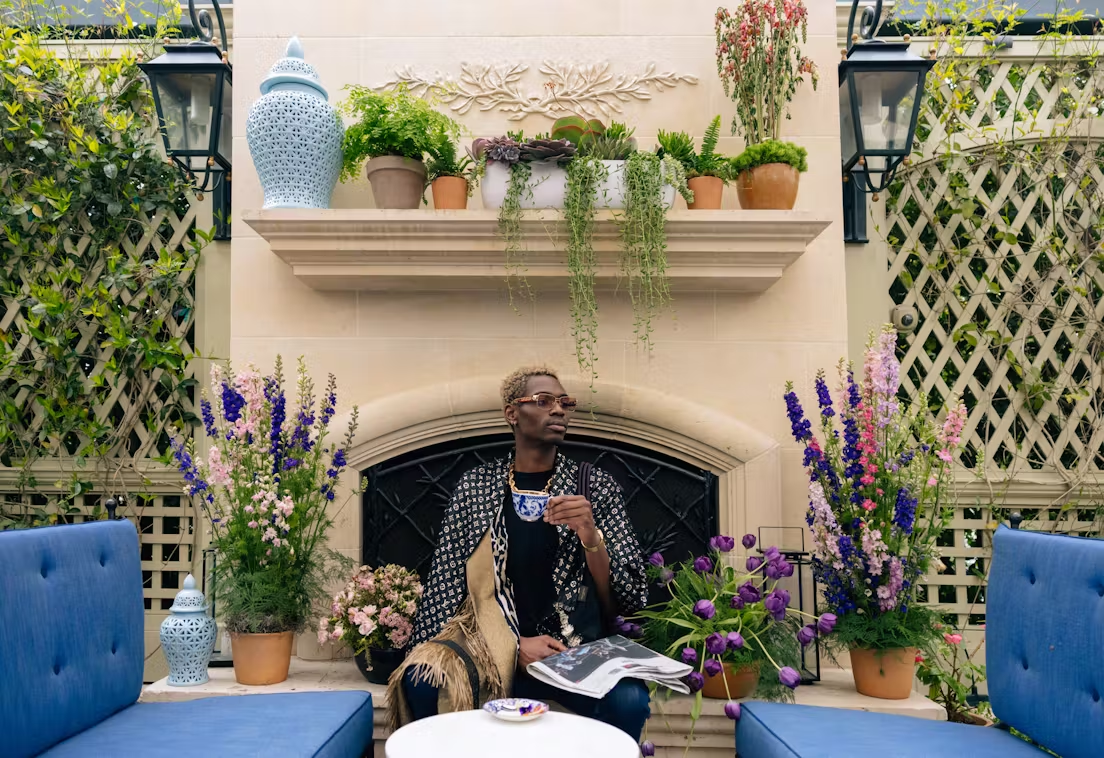
  1. “Make your flat-lays/detail shots look more realistic. For example, opening up a magazine creates an authentic moment instead of a stiff, staged scene.”  —Toni Graves, BCV Photographer

  2. “Short and sweet copy for ads always works best, especially when adding in a little humor or puns to the mix, pending your brand! Seasonal ads always work well, especially those tailored to specific messaging.” —Jenna Egan, BCV Media & Analytics Team

  3. “I love finding inspiration from particularly beautiful Instagram accounts. This can come from a variety of places: consumer brands, home decor experts, foodies, travel bloggers, mommy bloggers, you name it! They remind me that social media can be a way for individuals to express themselves and for businesses to establish and share their branding.” —Haley Soehn, Senior Account Executive

  4. “A/B test your ads to see what type of content will generate a better response, capture your users’ attention, and garner more successful results.” —Olivia Trilla, Senior Account Executive

  5. “There are a few apps we recommend for making creative content on-the-go: Life Lapse, Filmr, and Hyperlapse” —BCV Design Team

  6. “I use the keyboard shortcut for hashtags for different types of posts. This is a quick way to store hashtags rather than remembering or copying/pasting.” —Alex Briatta, Brand Strategist

  7. “After getting the tighter, overhead shot for a classic flat-lay, I recommend taking a step back, adding a human element, and shooting with a wider perspective.” —Angela Treimer, BCV Senior Photographer

  8. “When creating Instagram Stories, apps beyond the platform are your best friend. Canva & Unfold are my current go-tos for elevated Story design that looks cohesive and branded. Also, apps like Vimage and Werble make cinemagraph creation simple and accessible.” —Paige Pope, Account Executive

  9. “Experiment with square and vertical video. A square video on Facebook and Instagram takes up 78% more real estate than a traditional video, and a vertical video takes up over 150% more real estate. This translates to a 9-point-gain in viewership and engagement over traditional video.” —BCV Video Team

  10.  “For Instagram, keep copy more focused on a brand’s personality rather than on press hits or offers/promotions. Copy that is short and sweet or punchy and funny will be more engaging to the user.” —Charlotte Williams, Copywriter

With tips and tricks like these at your disposal, you’ll be able to work smarter and more efficiently to create engaging social media content.

When it comes to Instagram Stories, are you the user who quickly taps through each frame or do you stick it out to the end? Do you scroll through and seek out your favorite accounts or do you play them all in a row? What about posting—do you use any of the features? Do you share posts in your Story? What do you post on Stories about, and how do you make the decision to post to Stories instead of creating a whole Instagram post?

With so many styles and customizations included, it’s no surprise Instagram Stories has risen to the popularity it’s at right now. In fact, it’s hard to believe that the feature only launched three years ago. In that time, the amount of people using Stories on a daily basis has more than quadrupled, inspiring Instagram to add extras such as stickers, polls, filters, and more.

But with all this newness, it can be hard to keep up with all the ways you can beautify your brand’s unique Stories. We’ve taken in upon ourselves to navigate all the noise surrounding Instagram Stories itself and share the fundamentals of what you need to know to use this helpful tool.

Why Instagram Stories?

Before we dive in to the features, let’s talk about why Instagram Stories are important, especially for those in the hospitality industry. Stories allows you to promote key messages and content priorities and share real-time experiences. Because they’re more personal in nature, Stories helps drive user engagement and develop and strengthen relationships with followers, building brand loyalty. Finally, Instagram Stories are part of your property’s Instagram aesthetic, and therefore should be considered another outlet in which to show personality. Read on for our top recommendations on how to make your Stories shine.

Every Story Has a Theme

Now that Stories are the most prominent aspect of Instagram, it’s important that they’re treated as part of your overall content calendar. This means that each Story should carry forth one of your brand pillars or themes. For example, Stories can be used to promote events such as on-property celebrations (hello, Fourth of July barbecue!) or behind-the-scenes explorations (“take a peek at our chef preparing this week’s special dessert”). They can be used to showcase amenities, culinary offerings, or spectacular destinations around your property.

Stories are also a great way to offer promotions and packages or highlight awards and press coverage when you don’t want to draft an entire Instagram post about it, but you still want it shared on your social platforms.

Lastly, Stories are an effective tool to use while participating in influencer collaborations. An influencer can “take over” your brand’s channel to share their personal experience at your property. Once your themes are organized, you’re ready to start executing.

Tips for Stellar Stories

Color palette: keep the colors consistent. As we mentioned, Stories should be treated as an extension of your Instagram feed; therefore, the colors used should mirror those used in your Instagram grid. As for photos, make sure you are always using them in vertical format and allow some negative space to add text.

Fonts: Instagram offers a variety of fonts to choose from on Stories, but that does not mean you should use them all. Readability is the number one priority, so we recommend using no more than two fonts per story—and, as fun as it is, keep the neon cursive font for accent only.

Extras: while stickers are a fun way to add flair and individuality to your Story, remember to use them judiciously—too many and your audience will get lost in the décor of the Story and miss the message. For hotels, we recommend using a geotag, @mentions, and hashtags strategically. And when it comes to gifs, drop in one to two only where negative space allows.

Techniques to Master

Saving Stories: Save multiple posts from your Stories to share the final file for clients or to save as Highlight albums. To save a Story: upload Instagram Stories and play the Story. Select the three dots in the lower right-hand corner. Tap “Save” and then tap “Save Story.” The Story should be in your saved photos. To add a Story to a Highlight album: upload Instagram Stories and play the Story. Select the “Highlight” option in the lower right-hand corner. Add to an existing Highlight album or create a new one.

Color spectrum & color matching: Did you know you can go beyond the 27 colors provided by Instagram? To access the color spectrum, tap the “Aa” or pen icon. Long-tap on any of the colors provided and then swipe across to select a custom color of choice. Color matching is when you pull a color from the image or video asset provided. To color match, tap the “Aa” or pen icon. Tap the color dropper icon on the left of the color palette and a color dropper will appear on your screen. Hold your finger down and move the color dropper around on the screen to select your preferred hue. Once you decide on a color, release your finger and begin writing, typing, or drawing.

Eraser: Using the eraser tool is a creative way to build excitement and curiosity on your story. To use, highlight your photo or video in one color, then select the eraser to draw shapes or write text (with a stylus!) to reveal the image beneath.

Keyboard designs: For adding unique geometric features to your story, try using various symbols and punctuation marks from your keyboard as design elements—periods can become polka dots, underscores can become accent lines. To use, tap “Aa” to open the text tool. Select a symbol (try an underscore!) and adjust the size and placement of it to add unique elements.

Utilizing Instagram Stories for your brand not only offers you another outlet to engage with your audience, it also allows you to communicate intriguing messages, promote content priorities, and share real-time experiences, all in a creative way. By organizing a content strategy, remembering our tips and learning a few creative techniques, you’ll be well on your way to making Instagram Stories a solid digital feature. We can’t wait to see them!