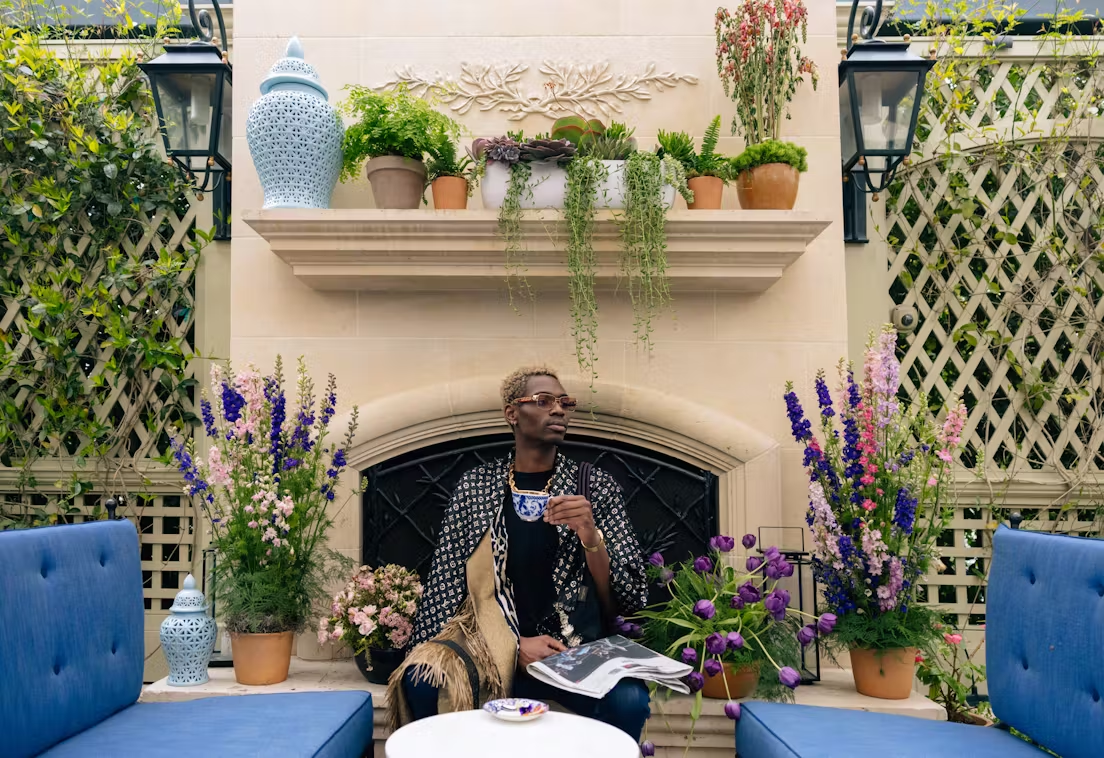
CHANGING HOW HOSPITALITY DOES SOCIAL

The benefits of a pre-opening social media campaign are totally worth the effort. Social is the perfect place to build an audience, share teasers, generate early room bookings and build out a loyal following. You’re excited about your property. Share that enthusiasm with future guests and build into the launch–starting now.

The ultimate goal of a pre-open social media campaign is to garner awareness. You want to do everything possible to help your hotel make a splash on it’s grand opening. There are several content strategies to drive interest and excitement ahead of opening.

Social Pre-Open Strategies Can Be Scrappy

A pre-open strategy is a three-tiered content approach.

  • Phase one is the teaser phase. The priorities during this phase are building buzz, gaining and maintaining momentum and managing online conversations.

  • Phase two is the reveal phase—this phase focuses on activating strategies and driving reservations.

  • The third phase is what we’d consider to be the celebration phase. This is when the hotel is opened, guests are experiencing the new property first-hand and we’re able to start implementing a user generated content strategy.

Show Your Stuff with Pre-Opening Images

  • Sharing renderings during the pre-open phase is a great starting point.

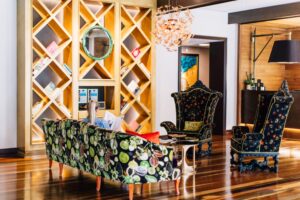
  • Detail shots like a close up of a chandelier or wallpaper pattern show off the aesthetic you’re going for.

  • Consider animation or movement to the photo to snap things up.

Content Program Considerations

  1. It’s incredibly important to schedule a social-friendly, lifestyle content shoot as soon as possible when the hotel is finished so we can ensure we’re only using accurate images to portray the space post-opening.

  2. Destination content is another important element in our content strategy both pre and post-open. Focus on telling the entire story of what a stay looks like as opposed to only focusing on the hotel spaces. Think of how you can  get the local community, influencers & media involved.

  3. Remember to include  the local community and invite them to come enjoy the hotel, whether it’s by visiting one of the media outlets, or by booking a staycation.

The Power of Influencers

Influencers are a great way to get the word out about the hotel and grow our audience.

  • We recommend partnering with influencers during the celebration stage of the pre-open strategy.

  • Strategically select influencers that are in line with the hotel’s target demographics (family travel, couples getaway, etc.)

  • By partnering with an influencer, you’ll gain exposure to his or her followers and it’s a great way to grow your following organically. Influencer partnerships are also a great way to build up your content library.

  • We recommend inviting the influencers for a complimentary stay and requesting any content captured be shared with the hotel for future use.

The Performance of Paid Social Ads

For brand new properties, we recommend a community building ad on Facebook to generate fans. Run this campaign until you reach a fanbase of 3k. Top priority for both Facebook and Instagram will be Post Elevation campaigns. These campaigns boost your content to a targeted audience of existing and potential followers to increase reach and engagement. As you’re closer to opening and special offers have been confirmed, we recommend implementing various Website Click campaigns. These can run in Facebook or Instagram feed and Instagram stories. This ad type allows you to drive people back to the website and encourage bookings. If budget allows, we also recommend implementing a Reach campaign to drive foot traffic and awareness to the property and its outlets.

Conclusion: It’s Never Too Early to Start Pre-Opening

Whether you’re building, renovating or reimagining a property, that physical work takes months. The same can be said for your digital marketing. Leveraging the visual power of Instagram and Facebook, there are many ways to establish a foundation, build an audience and show off your flair over time. The importance of starting social in synch with the property timeline has never been more opportunistic. Let’s get started!

For more information check out these resources!

In digital marketing for hotels, photographs make up a huge component of the nonverbal brand. After all, when it comes to hotel social media content, a picture is worth a thousand words. It is how we portray our mission and message beyond words, through photos, videos, colors, font and style.

When done well, owned photography captures your property’s essence, showcasing its uniqueness and helping users envision themselves at the property. This not only elevates your property’s presence in the minds of potential guests; the compelling content increases engagement, drives awareness and delivers bookings.

So how does a hotel ensure that its content is top-notch and representative of the quality that guests can expect on property? Scheduled photo shoots. As a supplement to more organic content creation (such as influencers or spontaneous snapshots), planned shoots are opportunities to showcase your property at its best.

Conducting a photo shoot for social media can often feel daunting. There are endless decisions to make from making a mood board, to choosing the right props to choosing models that would best fit the brand. Here are a few things we’ve learned after producing thousands of shoots for clients. A little preparation goes a long way to ensuring that you get the most quality content out of each photo shoot.

The Three Types of Hotel Social Media Content

Creativity and visual appeal is the currency of social media, especially Instagram, which is why your shoots must be oriented to your chosen platforms’ typical visual cues.

In addition to planning based on each platform’s visual vibe, you have to decide which blend of content to capture on shoot day. There are three primary types of content:

Architectural. These are photos and videos that showcase your property’s key features and amenities. Architectural shoots, including room types and the interior/exteriors, help potential guests visualize the experience. Beyond social, these shots can be repurposed across your owned media channels.

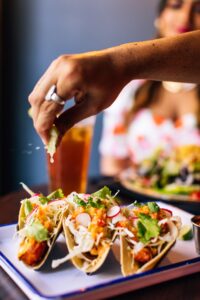
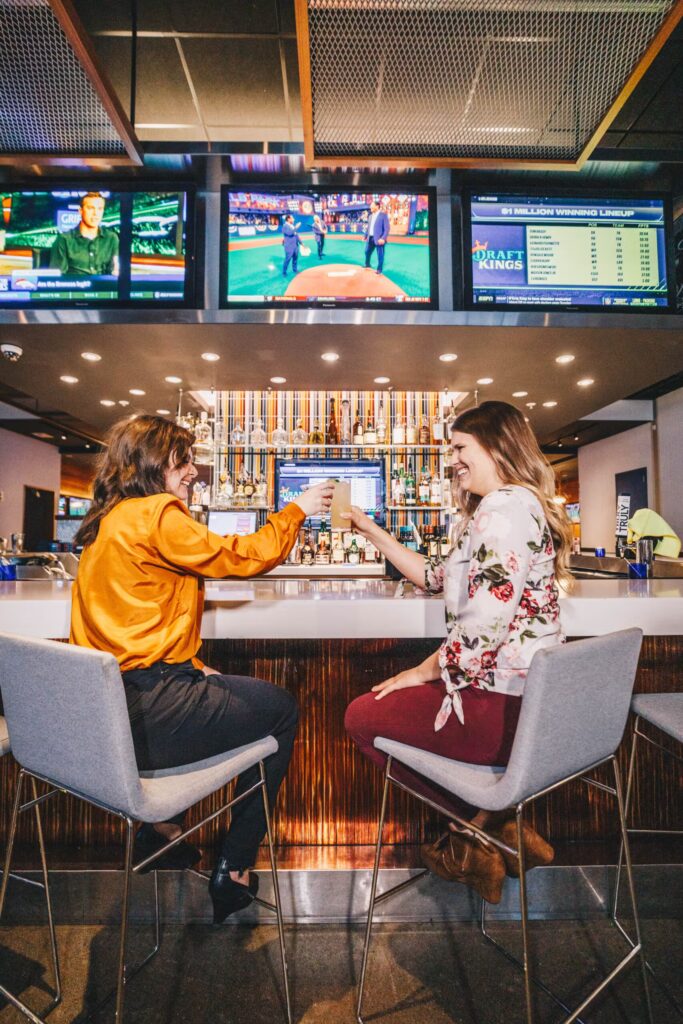
Situational. This content focuses on specific aspects of your property that can boost awareness and consideration. These would include craft cocktails from your bar chef, notable special dishes from your kitchen team, and spa treatments.

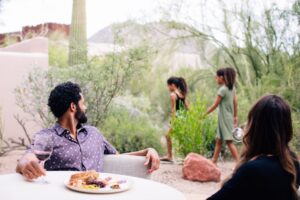
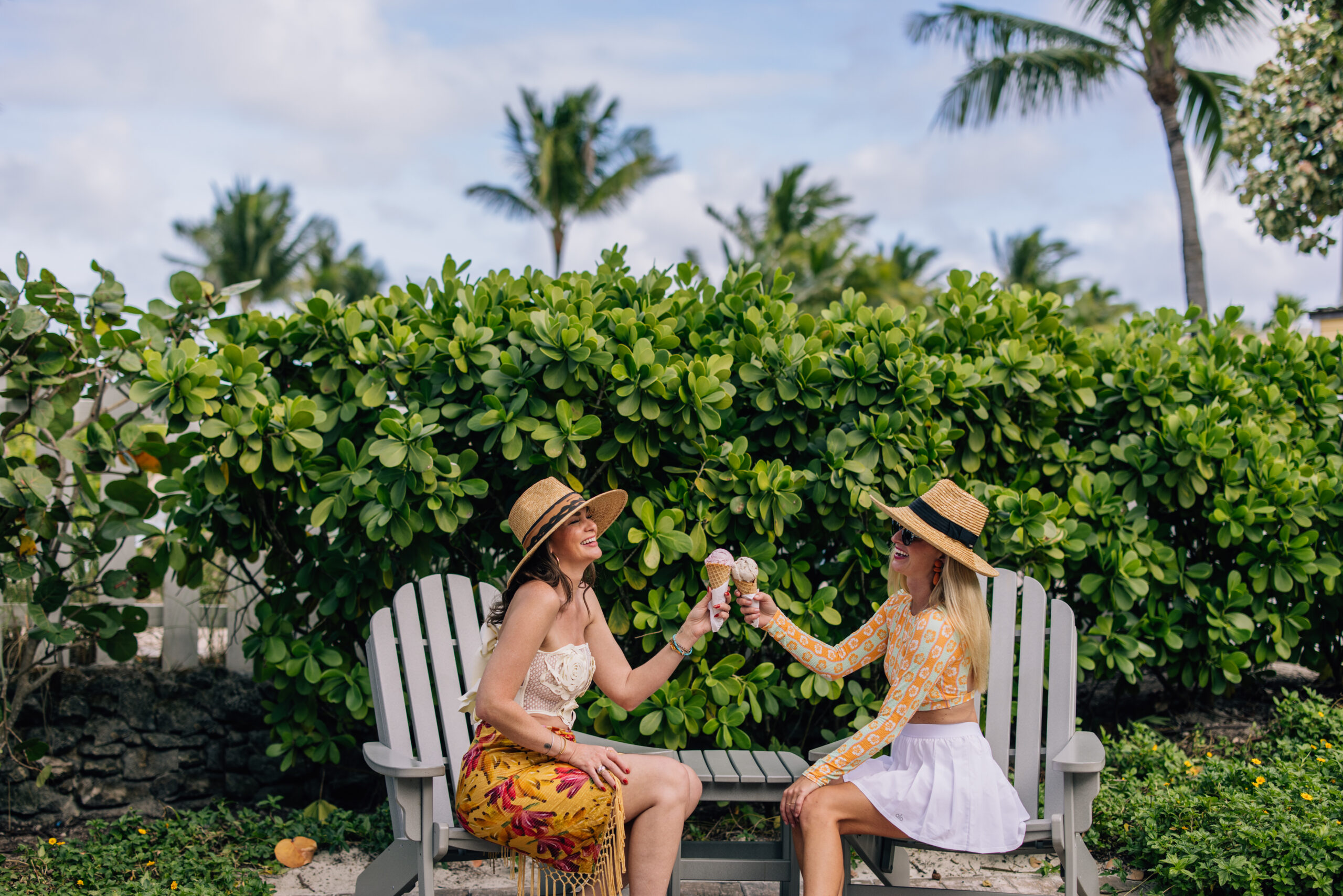
Lifestyle. These photos and videos bring your hotel to life. They visually connect your property to its destination and set it apart from competitors. Effective lifestyle content portrays your property just as you’d like it to, appealing to core demographics who may be scrolling social media seeking inspiration.

We take a very lifestyle-centric approach to capturing content. We mostly  focus on showcasing imagery of the property’s features, with guest “models” included where possible (interacting with staff, enjoying onsite amenities, etc.)

Along with this, we also capture tighter shots of property features, such as unique interior elements, amenity offerings and food & beverage highlights. These are all facets of the pre-planning process, which is what we’ll cover next.

Plan Your Shoot Like The Hotel Social Media Experts

Once you’ve found a photographer – or decided to stay in house with your marketing team or agency partner – it’s time to sit down and sculpt your shoot.

Start the planning process at least 6 weeks in advance. You need to have everything in order so that there are as few surprises as possible day-of. That means plenty of preparation, with clear expectations and concrete goals set and shared in advance.

Before the Shoot

Pre-production starts with a detailed list of deliverables. These are all of the things a hotel will receive from the shoot, as well as a list of tasks that must be completed prior to shoot day. Questions to answer as a team:

  • How many photos and/or videos are we creating
    undefinedundefined

From there, create an agenda that will be the reference document for the team. We recommend delivering the agenda 4 weeks ahead of the shoot.

The agenda should include a detailed shot list that reflects the hotel’s priorities around lighting and timing. Some brands like to focus on golden hour, which is the time around dusk that gives photos and videos a welcoming glow. Other brands like to avoid having harsh lighting and prefer shooting in early mornings. The choice depends on your hotel’s brand position and the type of content bring created.

Explore your property at different times of day to determine whether sunrise, sunset, bright noonday sunshine, or even night will enhance the photos. Then, build your shot list based on these ideal times.

When building out your shot list, be specific. “5pm-5:30pm: Sunset at the pool” and then break down each shot so that it can be checked off during the shoot. We then determine more specific needs such as the type of shots at each location. Do we need close-ups, candid shots, group shots, landscapes. Having this clarity is what helps us achieve our social media photography goals.

Once you align on timing and lighting preferences, finalize the agenda and share it with each department. The agenda aligns everyone so they are familiar with what’s happening on property and how it may impact individual departments. If associates are going to be stepping in as models (whether in their role or not), they need direction on wardrobe, etc.

Day Of

Staying organized during shoot day is much easier when you have a detailed plan. In fact, shoot day can be nearly stress-free if everyone’s aligned around the detailed plan. It’s more a moment of execution, putting the pieces together and methodically checking off each shot.

As you work your way through the plan, it’s crucial that all models, whether associates, guests, or models who are participating in a shoot in any way sign a brand approved model release form. This allows a hotel to utilize the content across social, the website, and in the brand image library.

After the Shoot

Now is the time to edit your photos and videos to get them ready for social media. If you’ve done the proper pre-production process, then this should be relatively straightforward. Your shot list becomes your post-production to-do list, guiding the team towards successfully uniting everything into a cohesive end product.

A Note on Frequency

Now that you know how to plan and execute a photoshoot, the other question is how often to schedule shoots. The frequency really depends on each property’s needs, such as seasonal activity, periodic events or other short-term promotions that may need quality content for digital marketing.

The best approach here is to add photoshoot scheduling to your annual planning process. Then you can take a look at your entire year to identify key campaigns that augment planned promotions. Break your needs into quarterly chunks, and then work with your vendor to schedule the sessions with enough time for planning, shooting, and editing. Plus, by being more organized, you’ll often save some money with larger upfront commitments to a certain level of work each quarter!

Creative Inspiration

Creative design is a key element in increasing visibility, engagement, and elevating social presence. Elevated visual aesthetics set content apart from their comp set who may not find the value in creative design or content shoots. Brands looking to capture visibility and increase engagement should leverage the full menu of visual content, including Stories, videos, carousels, IG guides, reels, dynamic ads, and Story Highlights. All of this should be done with diverse, dynamic content — which is exactly what deliverables your photo shoot provides.

To get your creative juices flowing, here are a few examples to inspire you. Remember that every hotel is different and your photo shoot should be tailored to your needs.

As you can see with the above examples, creative content does wonders for engaging potential guests. Immersive quality content attracts potential guests and creates consideration of your property. Planning your next photo shoot may seem daunting — but it’s completely worth the added cachet that your fresh, quality content brings to your brand.

For more creative inspiration, visit Our Work page.

Ready to explore a more targeted social strategy? Contact a specialist and let’s craft a strategic platform plan that can produce greater ROI across your social marketing mix.

The Value in Fostering Connections Through Extended Reality Content Creation

Virtual: A term we’ve all come close to know within the past year. From virtual meetings to virtual celebrations, it seems like a new reality has presented itself, in an intangible manner.

Virtual Reality: A buzzword that has continuously piqued people’s interest with the evolution of technology, specifically video gaming. We at BCV think about it as a technological state that takes you out of our current reality and brings you somewhere else entirely. With virtual technology enhancing at an accelerated pace, it’s only a matter of time before this fad becomes a norm.

Virtual reality stems from its umbrella term XR, or Extended Reality. Also part of the same family is AR, Augmented Reality, and MR, Mixed Reality. Simply stated, AR digitally adds something to our present and current reality—generally through our cell phones. MR seamlessly combines elements from both AR and VR, where real world and digital objects interact.

Adopting XR Content into Social Media Strategies

You’re probably questioning why we bring up all these new forms of reality? Well as marketers and experts in social media, it’s essential to understand the latest happenings and be aware of future trends before they’re popular with the public. Why? Because if there’s any universal social media strategy it’s to be relevant. With noise interjecting from all forms of media, it’s vital to create content that is engaging and breaks through the clutter. Implementing latest trends into your social strategy almost always leads to a higher volume of social media engagement.

Although this concept isn’t exclusive to the hospitality industry, investing in new types of social media content that give potential guests an interactive way to explore your property is essential. There’s no doubt travel and tourism have been heavily impacted by the pandemic, so while stay-at-home orders were in place, it was our job to manifest the sentimentality of letting our minds travel anywhere outside the four walls we had spent so much time within. One of the greatest ways we were able to achieve this was through AR and VR content.

Creating AR Social Media Content

Utilizing Augmented Reality’s most engaging feature, filters, we were able to transcend people’s reality. Snapchat and Instagram filters don’t entirely transport users to new realms, but they do enhance the user’s current environment. During a time when everyone wants to imagine themselves anywhere but home, hotels can leverage this engaging social media creative.

Possible AR filters based upon your property’s specific location or unique perks:

  1. A tropical filter transporting the consumer on a chaise lounge set on the beach with your hotel in background

  2. An interactive filter virtually showcasing your property’s signature cocktail in the hands of the consumer

  3. A wintery filter situating consumers on a virtual chairlift elevating to the ski resort’s summit

  4. An elevated filter putting the consumer on your hotel balcony soaking in scenic views

Any content that can take the consumer out of their environment, even if only for a brief moment, and help release a little serotonin is something that all hotels and resorts should strive for right now. This is the time to make lasting impressions, allow consumers to form a positive association with your brand, and win their future business.

Let’s talk logistics. First and foremost, it’s important to mention that AR is widely accessible. In terms of user experience and availability— anyone who owns a smartphone is able to engage with this creative content. This means that one AR filter has the potential to reach a high-volume of consumers, paired with the proper social media strategy, filters could be a cost effective solution to create positive brand awareness. For the actual creation of Snapchat and Instagram filters, our talented graphic designers create a digital overlay in-house tailored to our clients needs and then we launch it on the appropriate channels for consumers to engage with.

Creating MR Social Media Content

With travel restrictions in place due to the pandemic, we had to reimagine our strategy and shift our focus from encouraging users to visit client properties to safely bringing properties to users at home. One innovation paved the way for our strategy adaptation: Mixed Reality. This type of implementation combines elements from both AR and VR and has been increasingly popular over the past couple years. For example, 3-D tours are a common form of MR content. Prior to the pandemic, guests and event planners could utilize virtual tours to wander the halls of hotels, visit guest rooms, and experience the property online prior to booking. We took inspiration from this admirable feature, and were able to create virtual experiences consumers could enjoy in the safety of their own home.

Some of our coastal clients, like the Hotel del Coronado, set up 360-degree, live beach cameras that supply any user with internet access a dose of seafaring bliss. For several Waldorf Astoria clients, we were able to compose authentic driving experiences encapsulating the property’s surroundings and city landscape. In these videos, users are able to move their computer mouse around allowing for scenic views from every angle. Overall, these interactive videos allowed consumers to fill a much-desired travel void and we instantly created brand awareness by offering a sense of escapism few competitors had yet to accomplish.

Here at BCV, we’ve invested in a talented group of producers, artists and motion designers to create AR and VR assets for our clients. To produce VR content we utilize our premier 360° cameras to capture desired elements for each project. For more advanced content, we also offer a high-tech robot that can maneuver the cameras through any space. Capturing and editing VR assets is no easy feat, and our expert team puts in exorbitant time perfecting their craft. Pairing this authentic content with strategies implemented by our social media client experts, will result in greater user engagement with a higher chance of positive association with your brand. Our client services team can strategically weave MR content into your annual social plan to enhance online presence on the most fruitful channels based upon your ideal target audience.

The Future of Extended Reality

Although the pandemic has heightened development of AR, VR, and MR technologies, they were already on an upward trajectory of adoption and engagement. Tech conglomerates, like Apple and Google, have relentlessly worked on creating wearables, glasses or visors, that will bring AR and MR into our daily lives. While we are still a ways off from any widespread adoption of XR technology, many VR headsets have been sold for computers and gaming consoles. Consumers experiencing different escapes through these technological platforms means we have the potential to create original content which can be easily articulated on these new avenues. As our world continues to accept technological advances, AR will slowly leak it’s way out of its current social silo and bleed into other applications and phone functions in short order as well. Given the current circumstances, AR and VR may have received a generous boost in interest, but there is no doubt these technologies will continue to grow, adapt, and evolve as we look toward the future.

As you plan your 2021 social content, remind yourself that any XR experience transporting users outside their home provides an unquantifiable boost in their empathy with the brand who kindly provided them with the escape. So if you haven’t invested in AR/VR content creation, now’s the perfect time to do so.

Today, more people are home than ever before; so, it’s not surprising that social media usage is up significantly. As in 50% increased Facebook usage, according to Social Media Today.

While will likely see this change again once the crisis is over, transformative events like this have had lasting effects on our behaviors. For example, Facebook’s growth started to multiply after the 2008 financial crisis (5x growth from 2007 to 2009 according to Statista). On the other side of Covid-19 we will still visit our favorite shops, restaurants, and resorts—especially once we are able to safely step out again.

However, we will be planning, sharing, and experiencing these adventures in a more connected way. More than ever we will be looking for those social cues from our friends, families and influencers. According to BCV Social, inquiries into hotels’ services via Facebook Messenger and Instagram Direct increased by 80% in May, 2020. People are starting to plan trips not just by surveying the travel landscape but by asking specific questions about their intended destination.

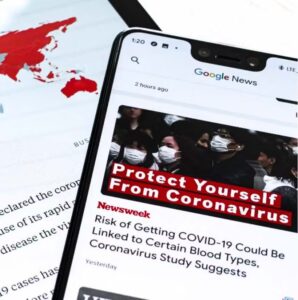
Marketers need to rethink the way they leverage social media in engaging their communities. The content that worked before may not work in the post-COVID-19 era. Here are three key topics to help hotels connect with travelers in the post-COVID 19 world.

Health and Safety Are Foundational Elements

Travelers need to feel safe. One of the most important aspects that will restrict room booking is a feeling of a lack of ‘hygiene and cleanliness’ measures taken by a hotel. Many hotels are now implementing contact-less services, securing third-party hygiene certifications, and applying social distancing measures as per the guidelines issued by the WHO, the national government, and the local authorities. Additionally, many hotels are forming partnerships with hospitals and healthcare companies. Social media managers will have to cover the entire spectrum of safety content on their calendar. Ensuring they cover physical safety in addition to the emotional aspects of feeling safe. About 70% of consumers turn to social media for customer service needs. It is crucial for social media managers to have an empathetic response ready with clear objectives such as ‘listen’, ‘appreciate’ and ‘resolve’. These are foundational elements that travelers need to hear to feel comfortable with picturing their travel at the property.

Inspiration Is Still The Key Travel Driver

More than ever we are thinking about getting out. We are picturing that amazing spa, resort, pool, lounge, bar, or whatever motivates people to get out and come together for new places and experiences. While health and safety are foundational elements, the amazing experience and amenities are the motivating elements. Do not shy away from celebrating the things we need now more than ever.

Celebrate User-generated Content

Celebrate users content and experiences. Be authentic, respectful and appreciative of them sharing their story. For example, encourage people to share about their last road trip, staycation, or other travel memory, which you can then feature on your social media platforms. Over 60% of people rely on reviews and recommendations to make informed buying decisions, according to Podium, a cloud-based company that provides interaction management tools to businesses. This will likely increase as people seek confirmation that properties are ready for them. Therefore, treat early travelers as brand ambassadors. Help them understand how important they are and how great of an experience they will have. Over-communicate with them as they will in-turn share their experience to all of us who are watching these early adventurers.

During the initial phase of the crisis, people turned to social media to stay connected with the outside world. Today, they are remembering past trips, planning for their first trip back out, and connecting with hotels to inquire about services, all through social media. Every social media engagement insight points to one thing: People will travel again. What matters now is how hotels engage with them, inspire them, and most importantly make them feel safe and confident about their stay at hotels.

Another Summit, another virtual Platform, yet another discussion on the impact of the ongoing pandemic which has placed the world’s largest democracy in lockdown for the last four months. In the pre-COVID era, this summit would be happening in a hotel where participants, speakers, and panelists would have flown into a city and stayed at a city hotel for the 2-day long event helping the hotel with new guests to serve and provide an unparalleled experience. However, events, conferences, and corporate travel remain low on the recovery agenda, and therefore the question for every hotelier remains – How Do We Get Our Guests Back?

A fortnight back, I was honored to be part of an esteemed panel at the Hotelier India Summit comprising of hotel sales and marketing leaders to discuss the same CS Ramachandran, VP- Hotel Revenue Optimization, Preferred Hotels & Resorts, Dhananjay Saliankar, Head-sales & Marketing India, Fortune Hotels, Kush Kapoor, CEO, Roseate Hotels & Resorts, Manoj Nair, National Marketing Leader-India, FCM Travel Solutions, Prasad Iyer, VP, E-Commerce, Distribution & Rewards, Lemon Tree Hotels, and last but by no means the least Sachin Pabreja, Co-founder, Eazydiner.

What’s On the Guest’s Mind?

The famed ‘pent-up demand’ will soon come to the surface as more tourist destinations in India contain the virus and put in place procedures to mitigate the virus. As the leisure traveler would lead the recovery, the key driver for hotels would not be price but experience, health, safety, and flexibility in handling cancellations.

However, at the same time, hotels will have to walk a fine line to ensure that the experience they promise does not appear like a medical tourism ad due to prevailing social distancing and safety norms.

Instead, contact-less solutions are being adopted by more hotels to implement steps like digital check-in, use of QR codes to keep things smooth and safe as well as the ‘safe car promise’ where all vehicles will undergo deep cleaning and each car will have a PPE kit for the guests.

The challenge for hotel commercial and marketing teams would be to manage these expectations in an already complex decision-making process and use social media to communicate the right price, the right experience, and the right safety standards.

This is where social media marketing plays a critical role.

How is Social Media playing a vital role?

In the Pre-COVID times, Facebook and Instagram played a key role in driving travel inspiration; however a significant role was also played by family and friends who would recommend travel destinations. With no one traveling at the moment, and very few people aware of which destinations are safe, which hotels are taking care of safety, the role of social media would now further increase as that would be the first source for getting up to date information.

Therefore, more than ever before, hotels have to look at social media as the channel to bring back guests and invest time, effort, and resources in continually communicating with potential travelers to win their trust and engage them.

While hotels attempt to re-establish a connect, they need to keep two age-old ideas at the core of their strategy

  1. One Size Does Not Fit All. Each hotel property is designed for a specific set of travelers, keeping in mind the taste, lifestyle of the guests that would stay there. The same strategy needs to be applied to your social media strategy and continuously seek the right kind of guest with the right messaging.

  2. Don’t Prioritize Reach Over Reputation. Most marketing leaders worry about reach, but in the post-COVID world when the number of travelers would substantially shrink for the next 18-24 months, reach, engagement might not be the right metric to target, instead of hotels should invest in managing their reputation and ensuring all guest queries, feedback, needs are answered instantly so that they can trust the property more efficiently. 24/7 Personalized and Real-time Monitoring is critical for hotels in the post-COVID world where trust is at an all-time low. The best example that I like to quote is when a guest at The Ritz Carlton in Half Moon Bay reported a faulty door lock on social media, tagging the hotel and using the hashtag #fail which is the 3rd highest used Hashtag and can instantly be picked up by prospecting guests and even reach media sites to show the fault on the part of a prestigious brand like Ritz Carlton. Due to real-time monitoring, not only did the hotel get alerted immediately and due to the ability to personalize the guest experience, they not only replaced the chain in an hour but also as an apology placed a bottle of his favorite single malt whisky to both mitigate the negative experience. The guest of course, captured this experience on social media tagging the hotel and using the hashtag #unrealcustomerservice and therefore not only become a loyal guest, but also helping prospective guests choose the hotel on their future trips.

Independent/mid-scale hotels can’t compromise on social media. In a poll conducted by BCV a travel technology company suggested that over 25% of them would invest close to 50% of their marketing budgets in social media this year. This number becomes more relevant for independent/ mid-sized hotel chains as their marketing budgets do not allow them to spend heavily on ATL advertising.

Due to lower brand salience, independent hotels will have to put in extra to win the guests’ trust. Social media is a level playing field, and with the right content done creatively and innovatively, hotels of any size can outdo the biggest chains.

Most hotels today rely on in-house teams to deliver this; however, in-house teams can drive social media engagement, but can’t bring varied experience from working with other hotel brands, cutting-edge technology as well as focus on driving RoI.

How do you convince guests to come back with Social Media?

We are witnessing that Middle East and South East Asia are now seeing a pick-up in economic as well as travel activity and therefore is seeing a substantial pick-up in bookings. While India recovers and the high-demand season approaches in the next three months, it’s a golden time for all the hoteliers to revise, refresh, and restart things that haven’t been done for a long. This is the time when hotels should re-look into their strategy, try to explore all channels of digital marketing, make the best use of social media.

BCV, one of the most awarded social media agency focused on hospitality solHutions that works with over 400+ luxury hotels across the world, has been working with luxury hotels across Asia helping them not only to increase engagement but also drive RoI during the pandemic through a tailored social media engagement strategy using its proprietary technology that also delivers 24/7 real-time monitoring.

One such example is our work with Cinnamon Hotels in Maldives one of the first destinations to welcome back tourists. Our approach for them was to keep engagement on through-out the pandemic and deploy a four-step campaign across 45 days using different platforms and content formats created by BCV’s in-house creative team. The campaign helped them generated 204 Room nights and while delivering an ROI 274 on spends, clearly showing that social media continues to drive results even in the crisis and is the right channel for hotels to use to drive demand back. So what should hotels keep in mind when looking to get guests back:

DON’T TAKE THE PEDAL OFF SOCIAL. Irrespective of your size and ability to spend on social, hotels should not stop spends on social media, as in the absence of actual visits, the only way to build brand salience and mind-share is through targeted content continuously served to prospective guests.

DON’T MAKE HEALTH AND SAFETY BORING. As we look to welcome guests back by assuring them of safety, hotels should make sure they do not make hospitality boring and actually look at making health attractive and engaging both through social media content as well as on property. This could be easily achieved by replacing videos and photos of masks and sanitizers with shots of health-juices and immunity boosters that are served as a welcome drink.

MAKE ROI YOUR KEY METRIC. Every Digital Platform has its own metrics and today, Digital Marketers can track close to 50 metrics to show success such as followers, traffic, share of voice and many more however as hospitality marketers emerge from this pandemic, the only thing their social media strategy should work towards is actual revenue contribution and ROI from paid media efforts.

According to a survey of more than 25,000 consumers in 30 markets, Facebook and Instagram saw a 40% increase in usage during Q1 of 2020.

For many brands and businesses, this usage uptick provides a greater opportunity to connect with consumers and build community. But you may be wondering: What type of content should be published during a crisis and where should it be distributed?

Based on BCV’s strategic social media work with hundreds of hotels, these are the key steps we recommend taking today to ensure your hotel can maintain a competitive advantage and drive brand awareness.

Lead With Empathy & Creativity

It’s important to ensure that your content is relevant and offers value to consumers, whether educational, informative, or interactive.

Showcase how your brand intends to support those affected by the crisis (e.g. donating goods, providing physical space for relief efforts, or waiving delivery fees). Videos or messages from your CEO or executive committee are encouraged.

Launch a feel-good giveaway or surprise-and-delight campaign featuring gift cards for future use or property swag. BCV witnessed a 36% increase in average post engagements & positive sentiment in a recently launched giveaway campaign.

Deliver Amenities Digitally

With the majority of the world unable to travel right now, hotels have an opportunity to share their services digitally through virtual experiences. Think cooking tips, fitness routines, and at-home happy hours.

Shift your content development strategy to prioritize interactive content such as at-home cooking videos hosted by your Executive Chef or stream a unique property feature live on Instagram.

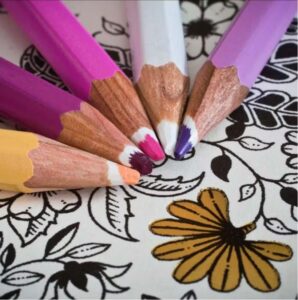
For properties with family-centric offerings, consider transforming some of your hero images into coloring pages to share with your audience (a great activity for children and way to keep your property top of mind).

Share Important Business Updates

As operational functions of your business continue to shift, social media is an ideal marketing tool to share those updates with your past and future guests.

Shifts in hours of operation, new cleaning procedures, refund policies, etc.

Travel industry news and updates, including destination-specific travel regulations.

As a hospitality marketer, it can be daunting to think about how to communicate to your guests during the COVID-19 pandemic. Where and how do you begin? What happens as markets start to re-open and travel begins again? We at BCV are breaking down a phased approach to social media marketing to make it easier for you to share your adjusted messaging during the crisis.

Phase 0: Shift Your Content

Enter the Facebook pixel, a social media tracking tool and the hospitality industry’s digital best friend. Using a pixel allows you to retarget online audiences, track revenue, and garner invaluable insights into your target market’s planning and booking habits.

But before we get into all the benefits the Facebook pixel can provide, let’s take a look at what it is and how you can use it.

What is the Facebook pixel?

You can and should communicate to your audience right now by shifting your content strategy. This includes adjusting your tone and message. Here are a few considerations to keep in mind:

  • Be sensitive to your specific market’s situation.

  • Acknowledge the current environment and offer utility rather than selling to your audience.

  • Engage in real-time conversation through community management.

Phase 1: Prior to Re-Opening Your Property

We recommend curating and creating sensitive and appropriate content at least 1-3 months prior to re-opening in order to engage your audience and future guests. Building a community is essential in order to maintain relationships with your audience and build future business. A few recommendations are:

  • Invite your community to share their favorite travel memories.

  • Share “EGC” employee-generated content from home.

  • Leverage community hashtags and trends, such as stay-at-home challenges and fun “choose your quarantine house” polls.

  • Invite your community to learn “insider tips” from the experts on property.

Phase 2: Re-Opening Plan

Your re-opening plan should be separate from your booking plan. Re-opening should focus on awareness and your safety messaging. A few recommendations are:

  • Share steps being taken to ensure a safe environment.

  • Consider incorporating a message from leadership.

  • Provide a “behind-the-scenes” look at the property.

  • Share “staff highlights” that show how they are keeping the property safe for your guests.

Phase 3: Booking Relaunch

Implementing a booking relaunch plan should be done with great sensitivity and hyper-targeting. You will want to ensure that you are communicating about future bookings or offers to audiences that can travel and that would not be violating any government restrictions. A few recommendations are:

  • Launch a booking campaign specific to social media users who have engaged on your pages during the pandemic.

  • Drive local “staycations” once your market has deemed travel to be safe.

  • Promote F&B and amenities that are available for locals to enjoy.

  • Utilize community and tourism hashtags that safely promote the re-integration into travel.

Social Media Advertising

How does paid social media fit into your phased content approach for hospitality? Here are three key business objectives that you can achieve through your paid social:

Awareness

  1. Reach a large audience with the safety messaging from your property in order to reassure guests or future prospects.

  2. Share critical messaging regarding the re-opening date for your property, or share that your property is still open with any modified amenities.

  3. Successfully reach a local audience with details about open F&B outlets and provide directions to the location.

Engagement

  1. Reignite enthusiasm for the property and foster community engagement by optimizing for engagements such as likes, clicks, and shares.

  2. Consider spotlighting what guests miss most about the hotel to further drive the conversation about aspirational future travel.

Conversions

  1. Once it is safe to do so in your market, drive future bookings through hyper-targeting your audience. Ensure that your message is reaching the right consumers such as local drive-markets for “staycations” or F&B specials.

  2. Incorporate any brand promotions and consider cross-promotion with local tourism organizations to reassure guests and highlight the destination.

Let’s talk about utilizing paid social media. In a word? Necessary. 

In 2019, social media is primarily a pay-to-play space, especially after Facebook introduced an algorithm that weaves a variety of advertising initiatives into a users’ feed.

So why is it essential to have dollars behind your social media objectives?

When it comes to supporting your content in the social world, the amount your organic content is seen in someone’s feed is extremely low—less than 2%! That means, now more than ever, utilizing paid social media advertising is vital if you want your users to obtain your content, campaigns, or offers—or all of the above.

The goals of adding paid spend behind your content are simple:

  • Ensure your content being produced is actually reaching the relevant target markets by maximizing visibility

  • Create more exposure for your brand or business

  • And in turn, ensure you’re staying competitive within the market

Whether you’re looking to enhance your engagement metrics to a niche market, cast a wider net of users, boost leads, or increase website traffic, the case for utilizing social media advertising has never been more significant.

Now that you know the basics as to why you should implement a paid social media strategy, it’s important to note that each platform should have its own strategy. Defining a brand or business’s budget for social media is important and finding the “right” amount varies. It’s often dependent on these four variables:

  1. The platform

  2. The objective

  3. The campaign

  4. The target audience

Luckily for brands and businesses, the opportunities to gather insights from a platform’s analytics will allow you to conduct a deep dive into how your content was received and how your audience engaged, and will give you access to hone in on how and why a user interacted with your content. The data and analytics that are available to help your brand or business success are plenty and readily available.

To put it simply, if you’re a brand or business looking to drive improved results and garner optimal reach and engagement with your social media campaigns, then paid social media should be top of mind.

Who doesn’t love a time-hacking, content-enhancing tip or trick? At BCV, we’ve picked up a lot of them along the way that will allow you to create smarter, more nimble, and more engaging content and social strategies without breaking a sweat. So pick up your phone and test drive some of our most-loved tips and tricks for yourself.

  1. “Make your flat-lays/detail shots look more realistic. For example, opening up a magazine creates an authentic moment instead of a stiff, staged scene.”  —Toni Graves, BCV Photographer

  2. “Short and sweet copy for ads always works best, especially when adding in a little humor or puns to the mix, pending your brand! Seasonal ads always work well, especially those tailored to specific messaging.” —Jenna Egan, BCV Media & Analytics Team

  3. “I love finding inspiration from particularly beautiful Instagram accounts. This can come from a variety of places: consumer brands, home decor experts, foodies, travel bloggers, mommy bloggers, you name it! They remind me that social media can be a way for individuals to express themselves and for businesses to establish and share their branding.” —Haley Soehn, Senior Account Executive

  4. “A/B test your ads to see what type of content will generate a better response, capture your users’ attention, and garner more successful results.” —Olivia Trilla, Senior Account Executive

  5. “There are a few apps we recommend for making creative content on-the-go: Life Lapse, Filmr, and Hyperlapse” —BCV Design Team

  6. “I use the keyboard shortcut for hashtags for different types of posts. This is a quick way to store hashtags rather than remembering or copying/pasting.” —Alex Briatta, Brand Strategist

  7. “After getting the tighter, overhead shot for a classic flat-lay, I recommend taking a step back, adding a human element, and shooting with a wider perspective.” —Angela Treimer, BCV Senior Photographer

  8. “When creating Instagram Stories, apps beyond the platform are your best friend. Canva & Unfold are my current go-tos for elevated Story design that looks cohesive and branded. Also, apps like Vimage and Werble make cinemagraph creation simple and accessible.” —Paige Pope, Account Executive

  9. “Experiment with square and vertical video. A square video on Facebook and Instagram takes up 78% more real estate than a traditional video, and a vertical video takes up over 150% more real estate. This translates to a 9-point-gain in viewership and engagement over traditional video.” —BCV Video Team

  10.  “For Instagram, keep copy more focused on a brand’s personality rather than on press hits or offers/promotions. Copy that is short and sweet or punchy and funny will be more engaging to the user.” —Charlotte Williams, Copywriter

With tips and tricks like these at your disposal, you’ll be able to work smarter and more efficiently to create engaging social media content.

Whether it’s discovering a charming city tucked into the summery climate of South Carolina or trekking up an island volcano for a breathtaking view of the Pacific, there’s just something about exploring a new destination for the very first time. Despite our infatuation with our home base in Chicago, one of our favorite parts of our job is discovering the many gems hidden throughout the world. 2017 was a great year for pushing our boundaries and getting out in the world, and we want to share a few of our favorite trips with you.

Maui, Hawaii (Grand Wailea)

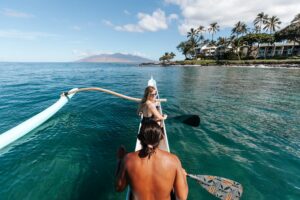
If, in your life, you have the opportunity to go to Hawaii, then by all means, go to Hawaii! The moment we stepped through the doors of Grand Wailea, we knew it was going to be an amazing trip. From navigating the beautiful Haleakala National Park to making some aquatic friends sunning on Wailea beach, Maui completely stole our hearts.

Charleston, South Carolina (Renaissance Charleston)

As anyone can tell you, it’s not hard to fall in love with the charm of Charleston. We loved strolling along rainbow row to see the beautiful houses dotting the streets, and we kicked back with delicious sips and bites at all the local hot spots. Our suggestion? Discover the beautiful southern touches of Nathaniel Russell House.

Riviera Maya, Mexico (Rosewood Mayakoba)

They say life is better by the beach, and when it comes to Cancún, we couldn’t agree more. Every spot you explore in is teeming with color and life. From strolling the pristine beaches to savoring every bite of delicious cuisine, you feel like you’re in the most exotic place on earth. Grab a spot on the sand and start relaxing.

Sedona, Arizona (L’Auberge de Sedona)

When was the last time you took a look in your own backyard? The United States has no shortage of breathtakingly beautiful hidden treasures, one of them being Sedona, Arizona. Get an early start to the day and hike the Cathedral Rock at Red Rocks State Park for an all-around amazing view. We guarantee you won’t regret it.

Osaka, Japan (Conrad Osaka)

Stepping through cherry blossom trees to take in the modern skyline of Osaka, Japan is an adventure everyone should experience. We can attest that the rich history and bold architecture make this city a must-see. After visiting the breathtaking Katsuo-ji temple to navigating the bustling streets downtown, you’ll never want to leave the exciting city of Osaka.

Those were some of our top trips of 2017, but there are so many more we looking forward to taking! We’ll keep you updated as we continue to globetrot.

BCV’s Top Trips of 2017: And Why They Should Be on Your List was written by Charlotte Williams, Junior Copywriter and photos were taken by Angela Terimer.